Winter Fare


Ah…winter soups…

Everything but the kitchen sink, right?

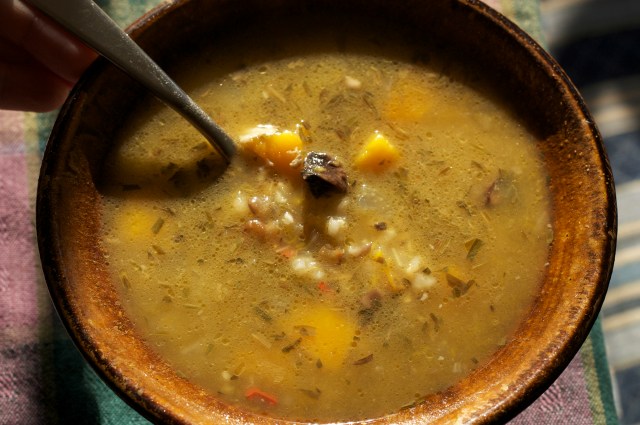
We made an oven-roasted chicken last week. Several meals later, the carcass was all that was left. I pulled the remaining meat chunks from the carcass, placed it in my 6-qt stock pot, covered it mostly with water, and set it to simmer.

Making chicken broth can seem complicated, but it doesn’t have to be. After an hour or so of simmering, the carcass is finished. I strain the broth through a colander, collecting the rich liquid in a large bowl to pour back in the empty stock pot.

To the broth I add sauteed onions and garlic. And then the kitchen sink. This week I added lentils and short-grain brown rice, one of my thai hot peppers awakened from its frozen slumber, chunks of summer’s butternut squash, and dried tarragon. When the soup was nearly cooked I added mushrooms and the remaining chicken meat. I use my immersion blender to thicken the broth a touch, but still allowing a chunky texture.

I had roasted the chicken with squeezed limes inside, which lent the broth a very mild, but interesting, citrus aroma.

Crusty 5-min-a-day bread completes this treat. Enjoy!
Posted in cooking, food, winter | 3 Comments

Broken For You


Broken for you, by Stephanie Kallos, is a wonderful book I just finished reading.

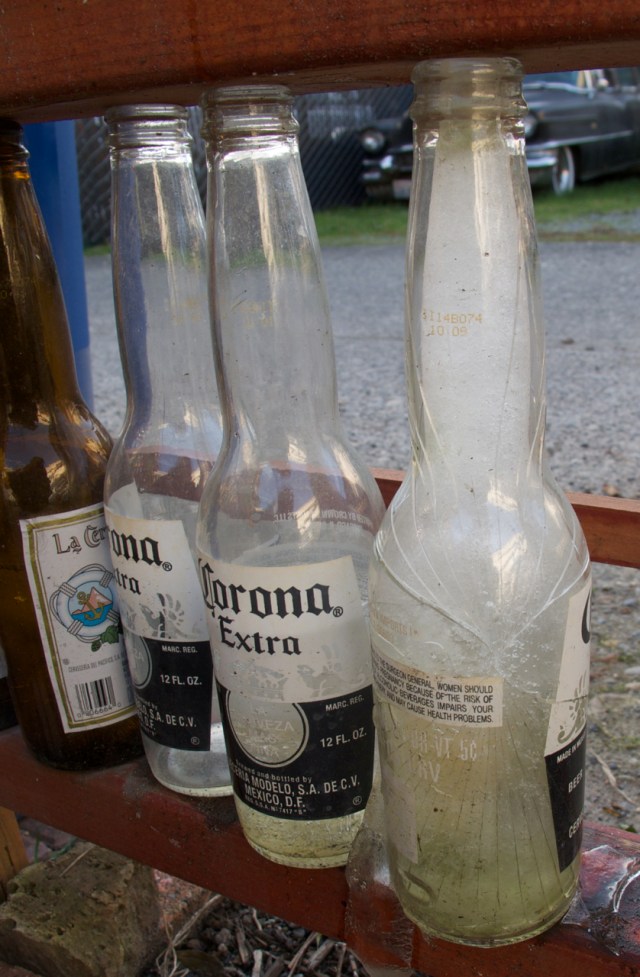
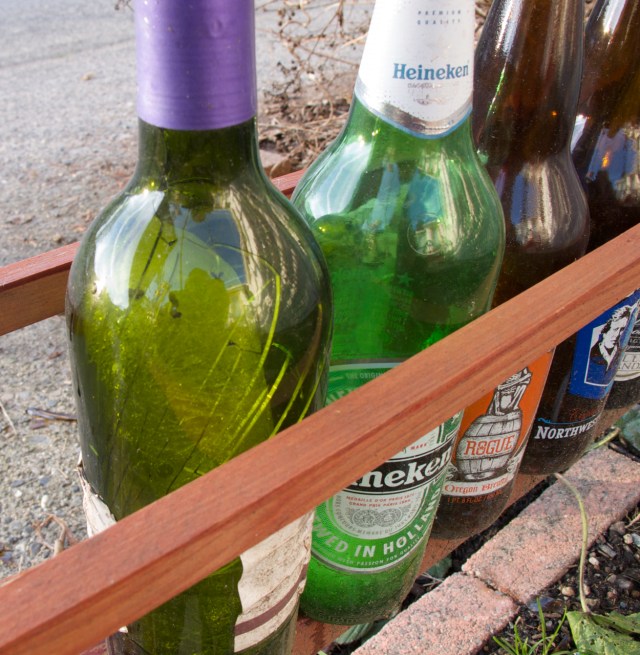
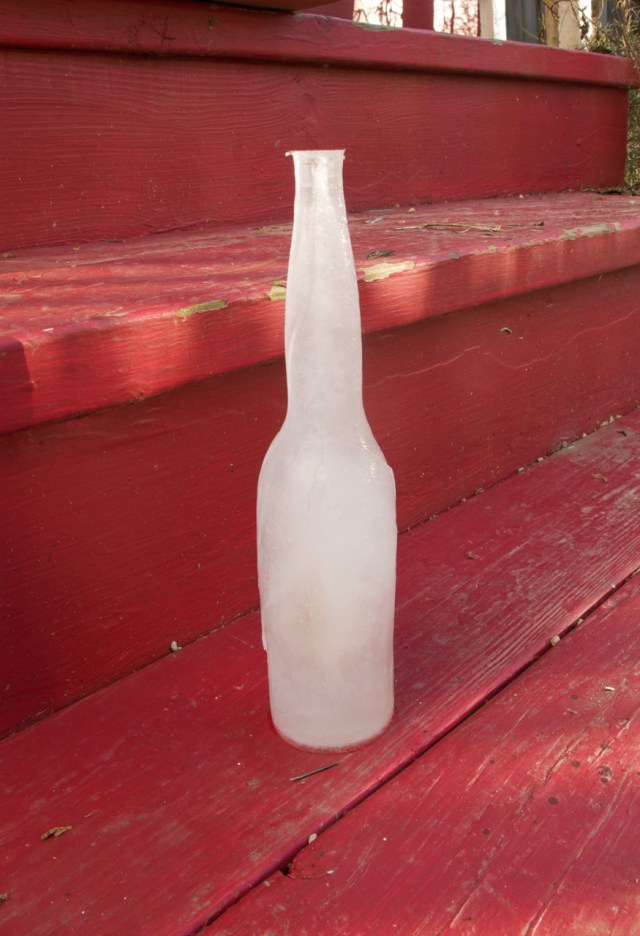
Broken for you, by Mother Nature, is what happens to the bottles in your bottle wall if you don’t cap them.


To be more specific: Rain + freezing temperatures = shattered glass


Yes, this happened last year. No, I did not learn.

I did start collecting caps and snapping them onto bottles, but it is dull work, and makes the bottles less attractive (imho), so I haven’t gotten very far.

The only upside to collecting the shattered fragments and mentally kicking myself was the fantastic ice shapes that emerged from the broken bottles.

Posted in bottle fence | 3 Comments

What’s in your closet?

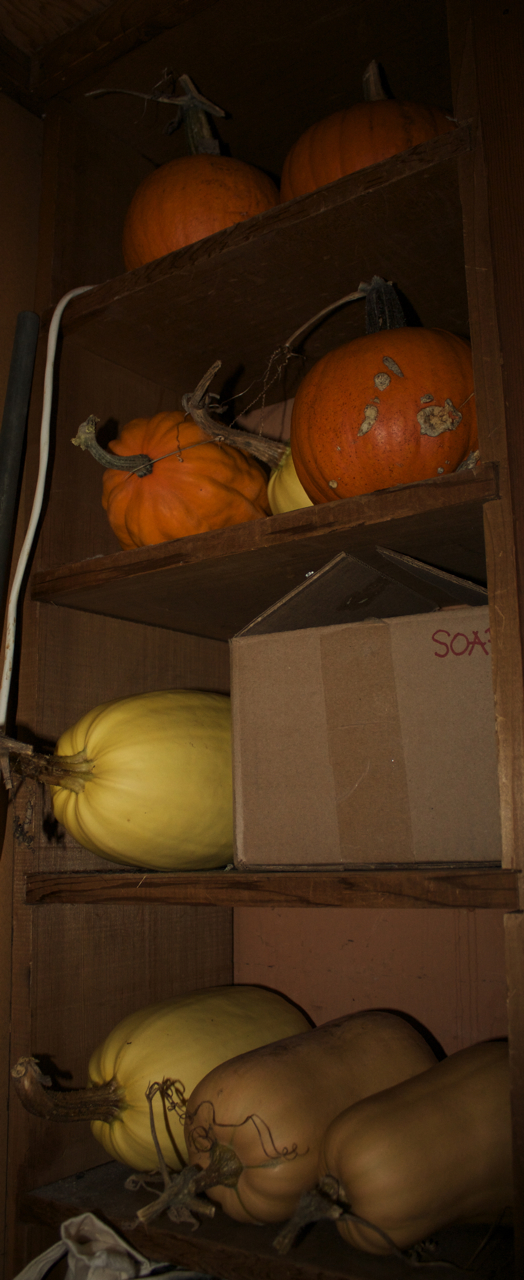
This summer, I found a skeleton in my bedroom closet. It was the skeleton of a squash fruit.

My house is tiny. Things are shoved quite firmly in many nooks and crannies (driving my boyfriend batty at times).

In the bedroom closet I store winter squashes, garlic, and corn. I do this because these vegetables prefer to be stored at room temperature in a dry environment. The garlic is used daily, but sometimes I forget to use the squashes. Eventually, they dry up completely and I am left with skeleton husks…

Posted in Food preservation, vegetables | Leave a comment

Ollas: Getting to the Root of the Matter


So, last post on ollas this year – promise!

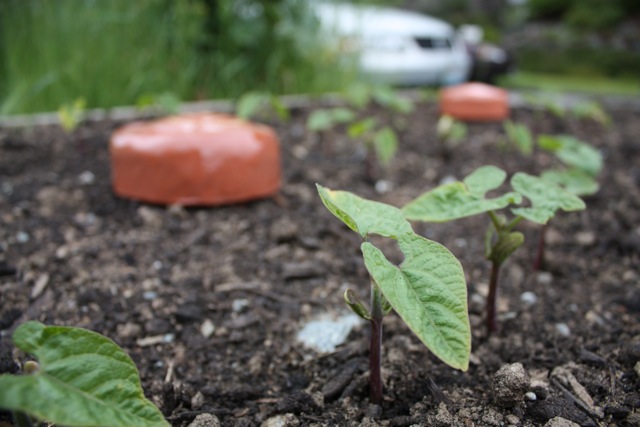
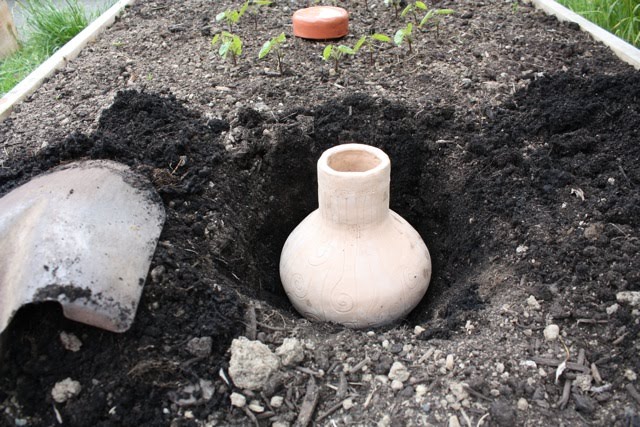
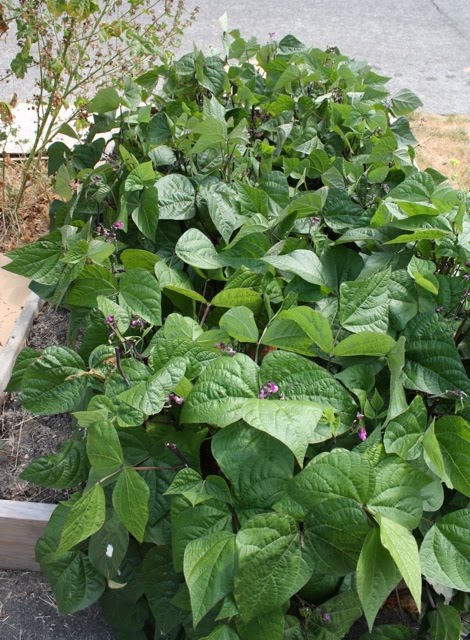
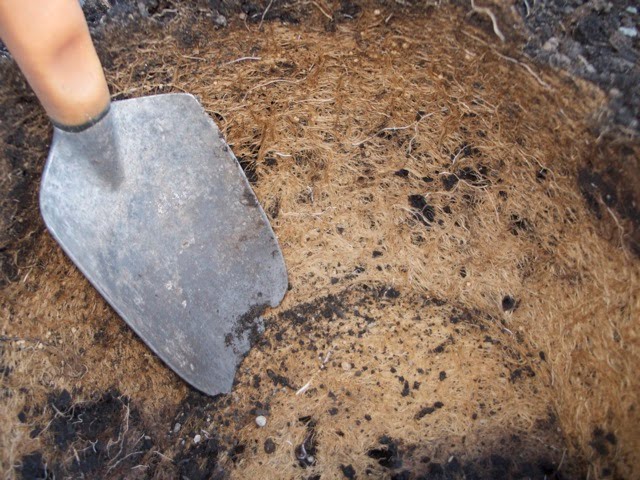
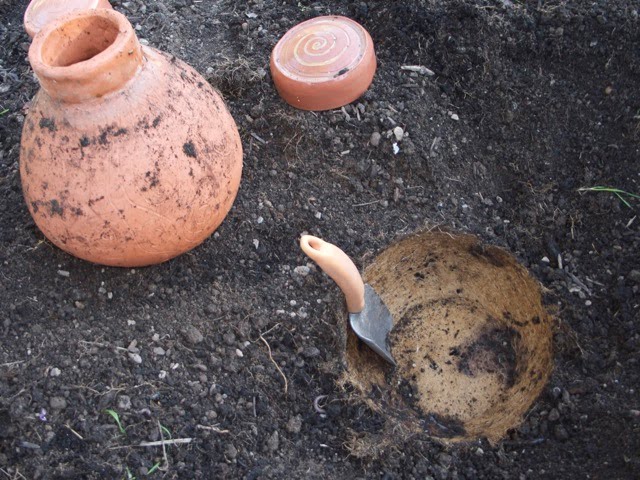
When I dug up the ollas from the bean bed I was able to see that the roots of the bean plants had indeed grown in a solid mat around each olla. That is exactly what I was hoping for.

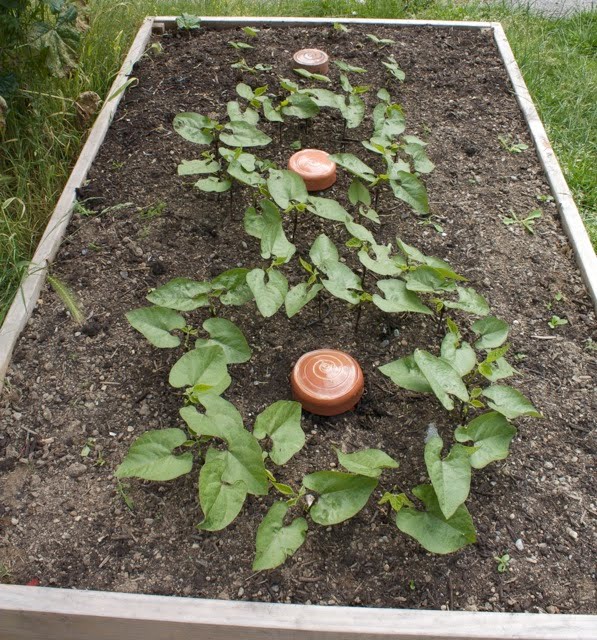
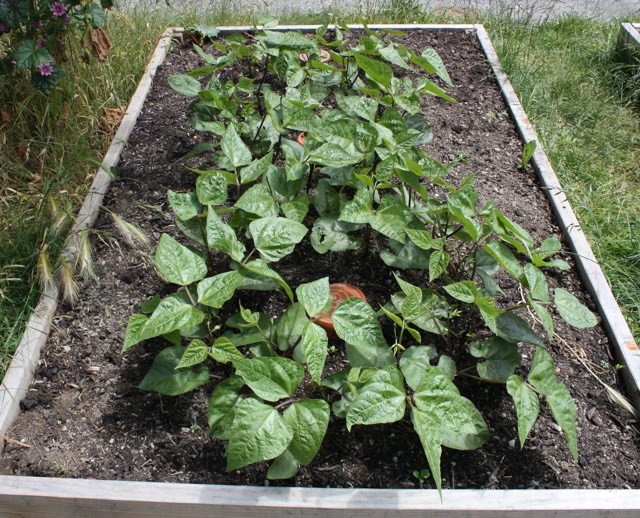
I used ollas for beans in two different beds. One was planted with Royal Burgandy the other with Ventura (green). The beans were planted in succession, starting with the burgandy bed. Finally, olla types varied among the beds; the burgandy bed had two ‘red art with sand’ and one ‘terracotta brown’, the green bed had one ‘terracotta brown’, one ‘red art’, and one ‘sculpture clay’.

The one actual control in the ‘experiment’ was using the two terracotta brown ollas. They were planted at the same time but with different bean types. The one planted with burgandy had way more dense root growth surrounding it than the one planted with Ventura. Overall, the root mats were definitely more pronounced around the ollas in the burgandy bed than in the green bed. Did the burgandy beans have higher yield than the green beans? Hard to say.

TAKE HOME MESSAGE: What I take away from this experience is that ollas work great with bush beans.

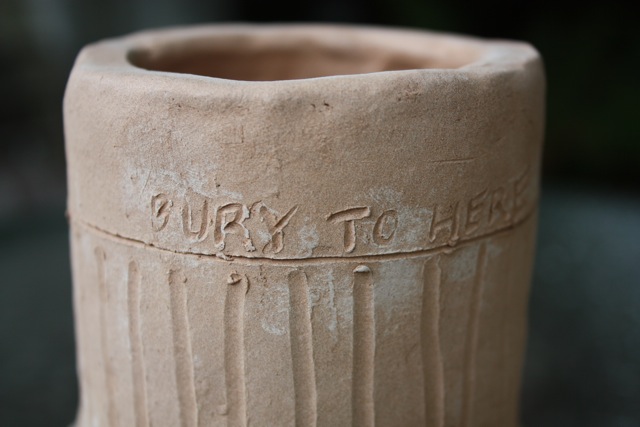
Follow along below for a photo journey of growing beans with ollas:

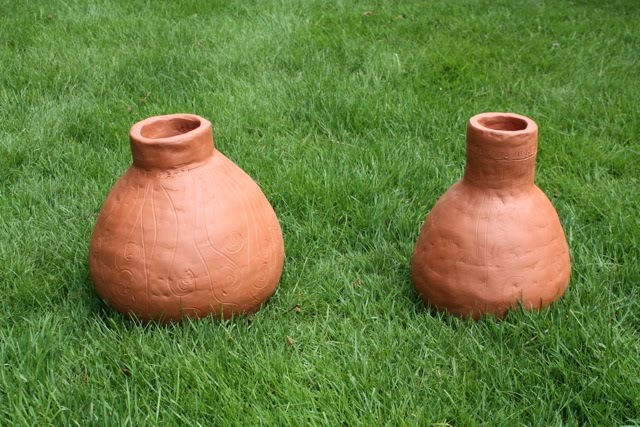
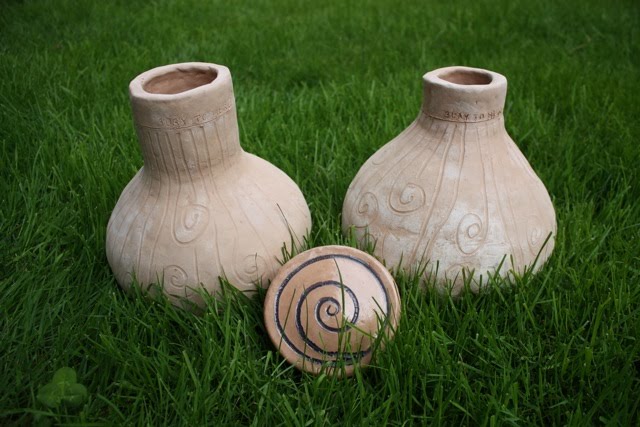
My homemade ollas of ‘Red Art with Sand’


‘Brown terracotta’ ollas prior to planting


After digging up the ollas this fall:

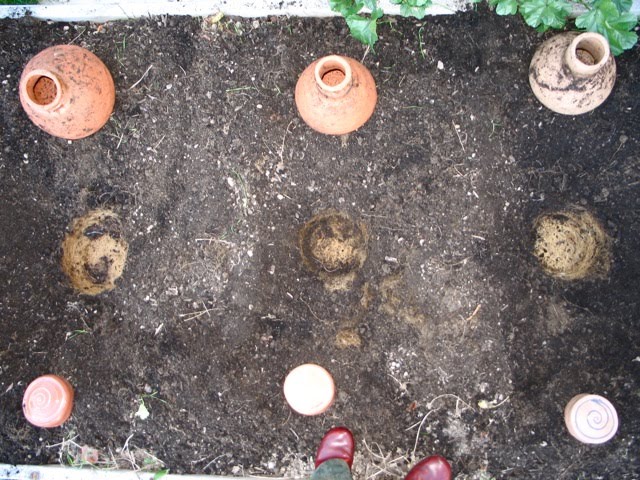
From left to right: RAS (red art with sand), RAS, and brown terracotta ollas adjacent to where they had been planted. You can see the root mat left behind where each olla had been planted.


For previous olla posts check out these links:
Garden ollas
Planting my first ollas
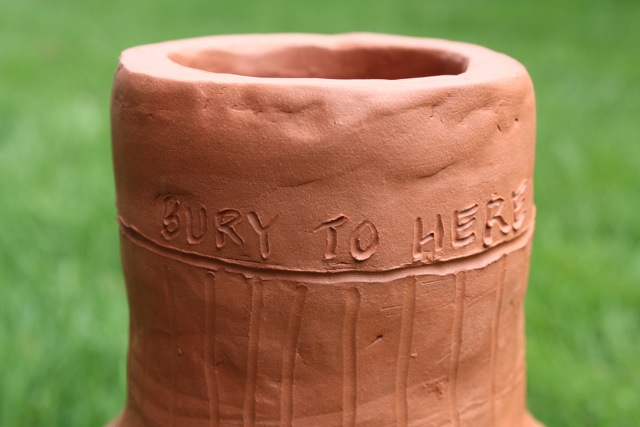
Hand-building olla
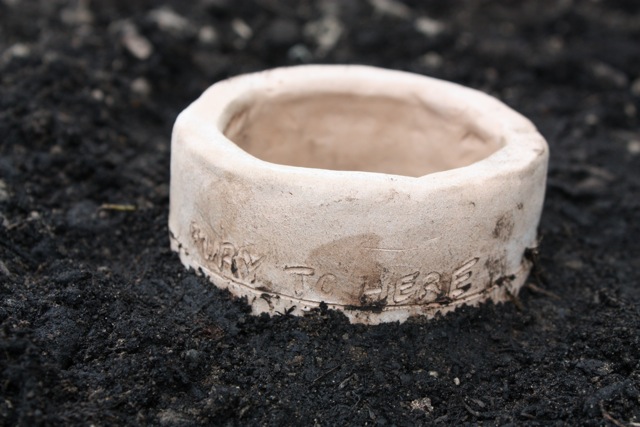
Olla lids come home
Cucumber ollas
Control plots for ollas
Digging potatoes
Digging potatoes II
Potatoes by olla or not – here is the answer

Posted in beans, olla irrigation | Leave a comment