Wet Spring, Wet Summer?

It has been anomalously wet this spring. 22 days with rain in April, 21 in May, 15 in June. That’s about a week more rain each month than last year. I have watered the garden just once this spring. I can’t tell yet if my ollas are working. They just haven’t had to.

My cool crops have been happy (kale, bok choi, onions), but the rest have suffered and are much smaller than they should be by now. Some of my hot plants have been downright miserable (eggplant). The basil up and died.

Nonetheless, we move forward, delighting in what cometh.

——-How does your garden grow?———————–

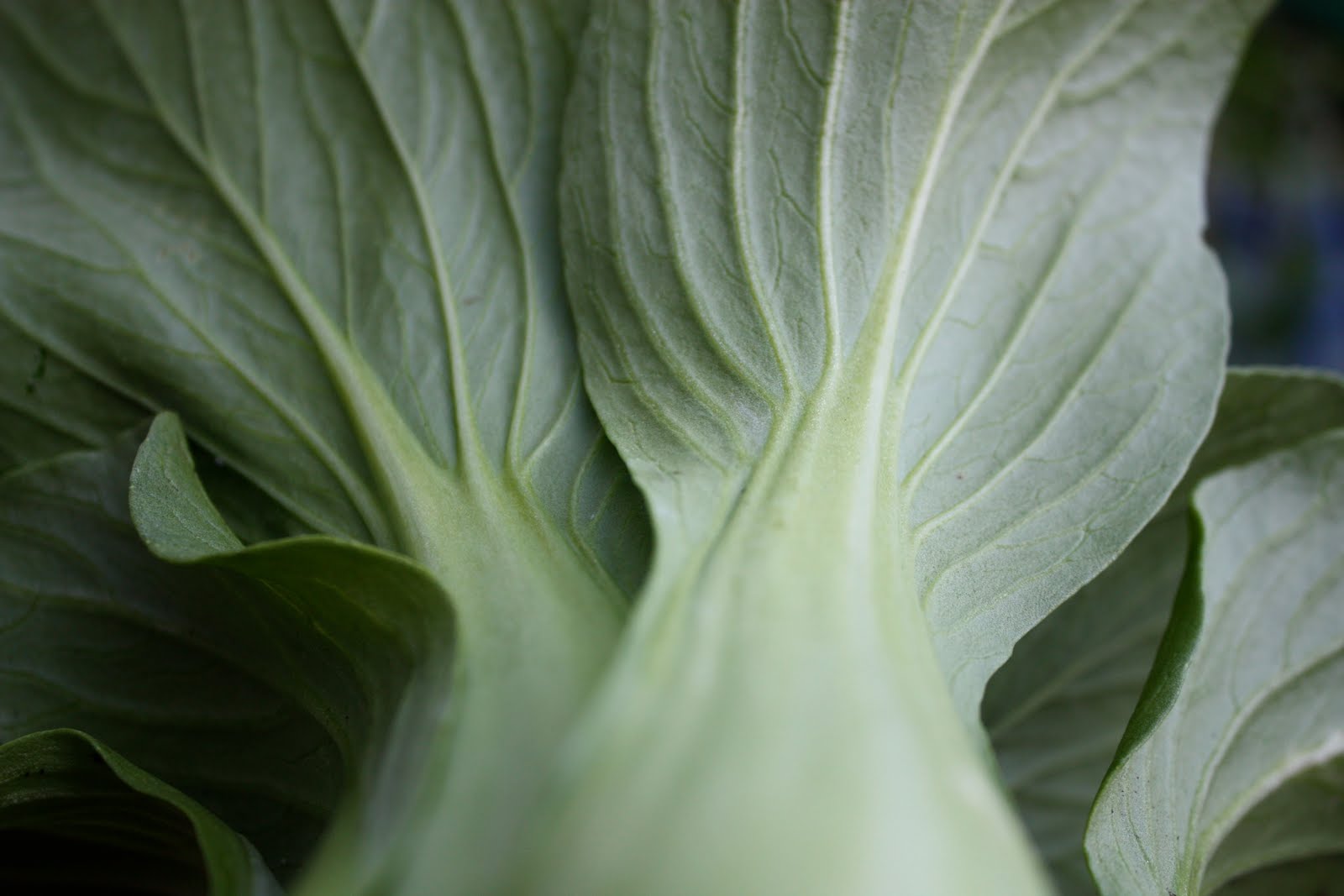
Ching chiang (aka shanghai bok choi). I was so proud to produce these beautiful, delicious plants.

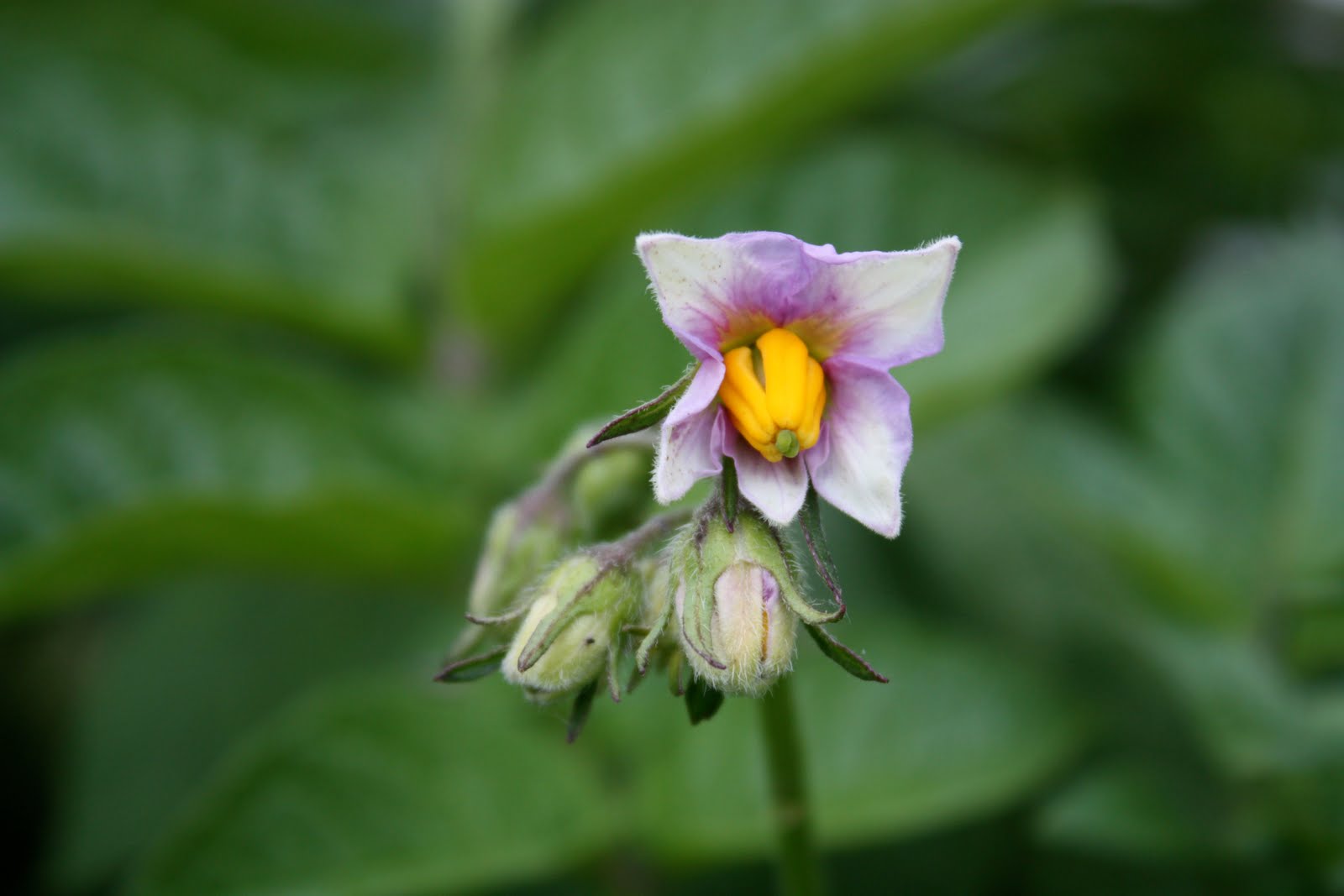
Flowers forming on the red sangre potatoes

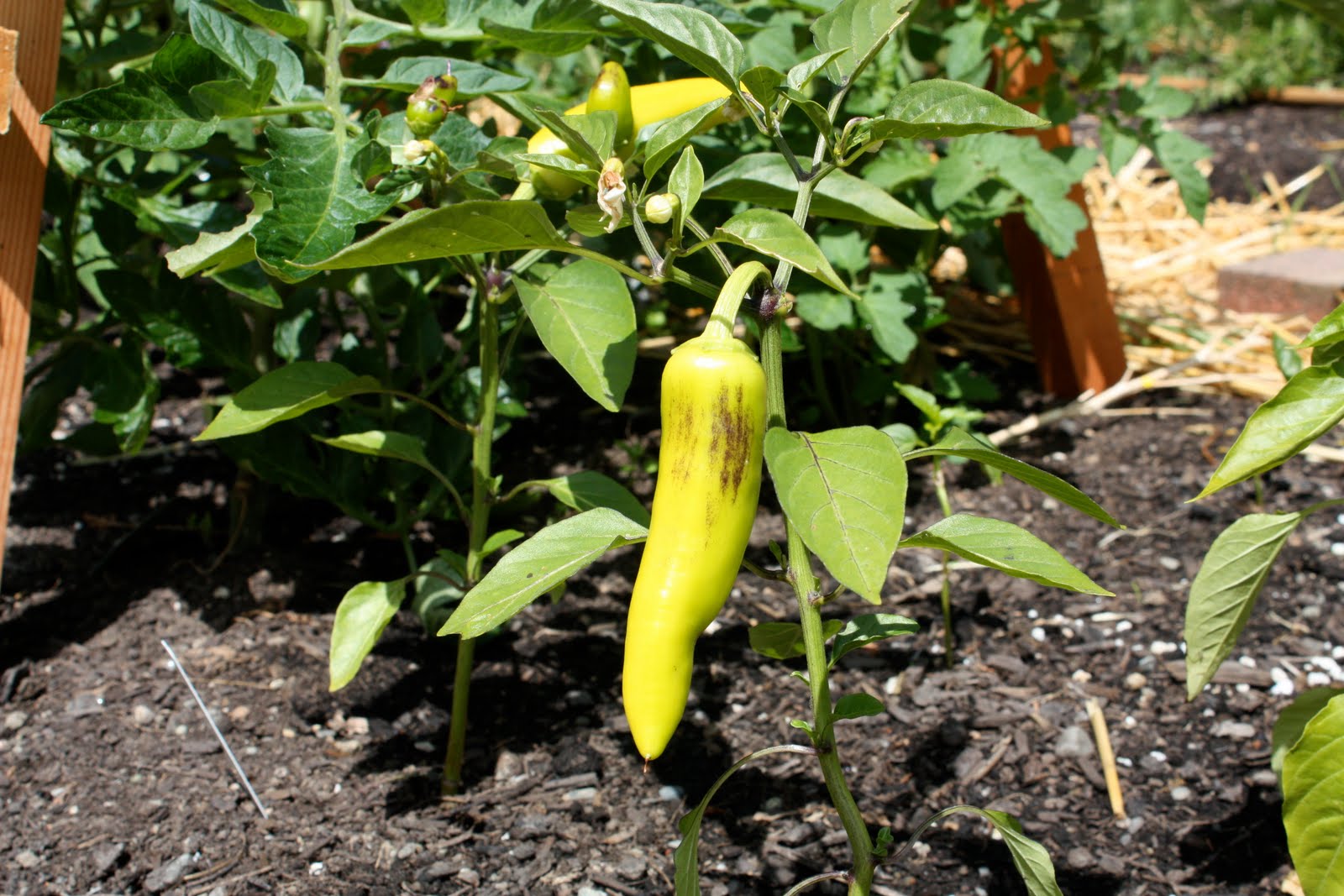
Hungarian wax peppers

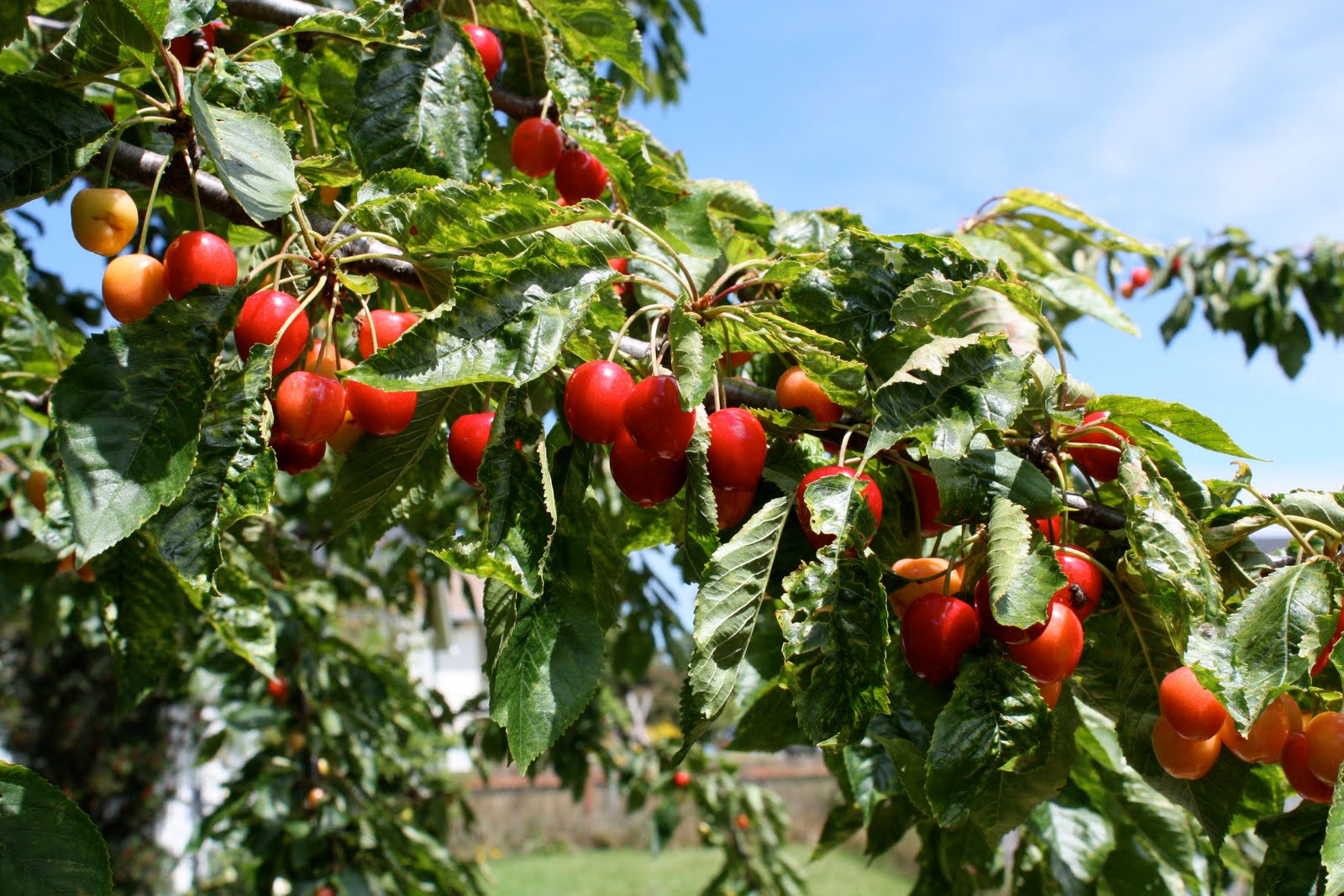
Cherries!

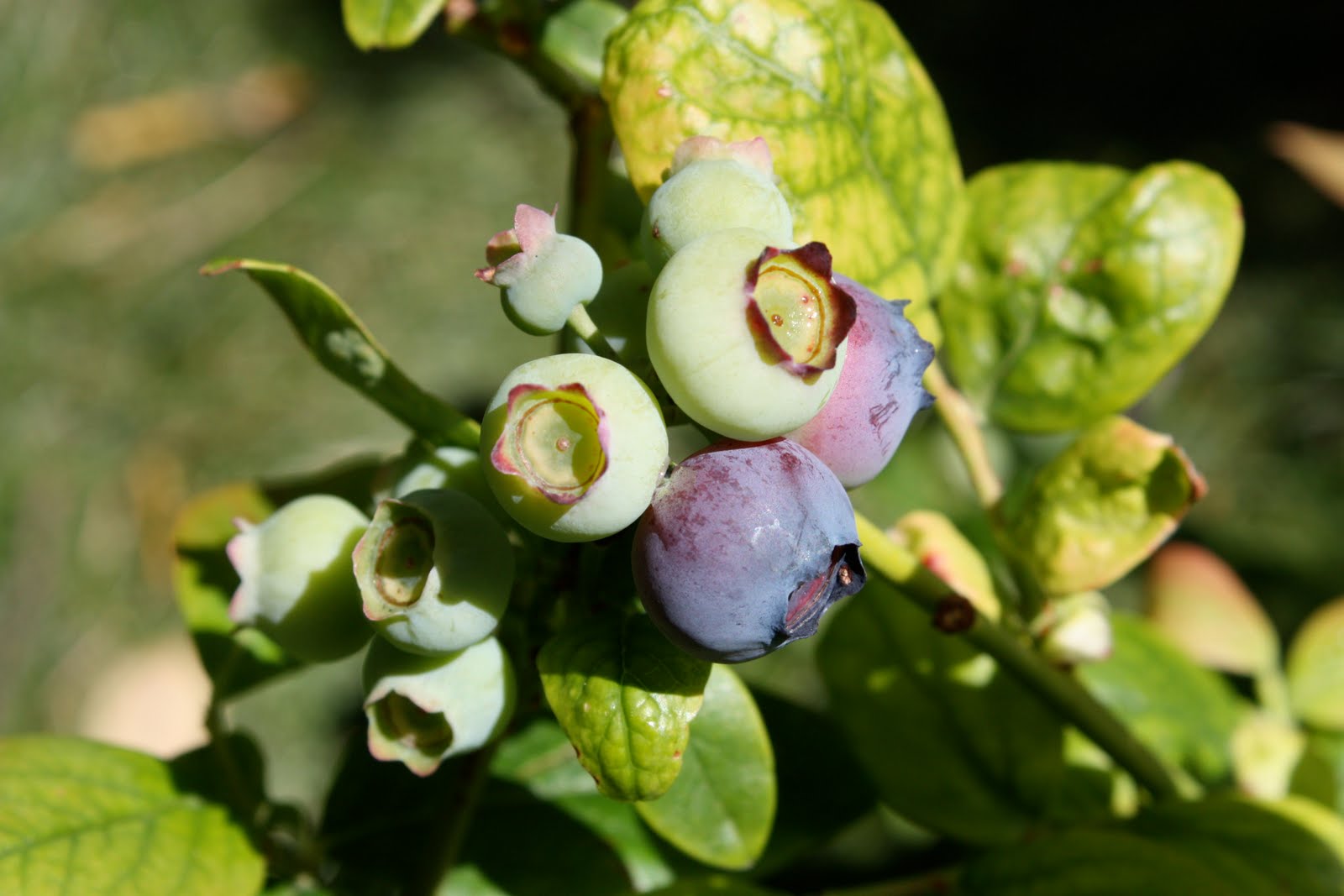
Blueberries! Raspberries and strawberries are already in.

Cucumbers on the new Marketmore variety


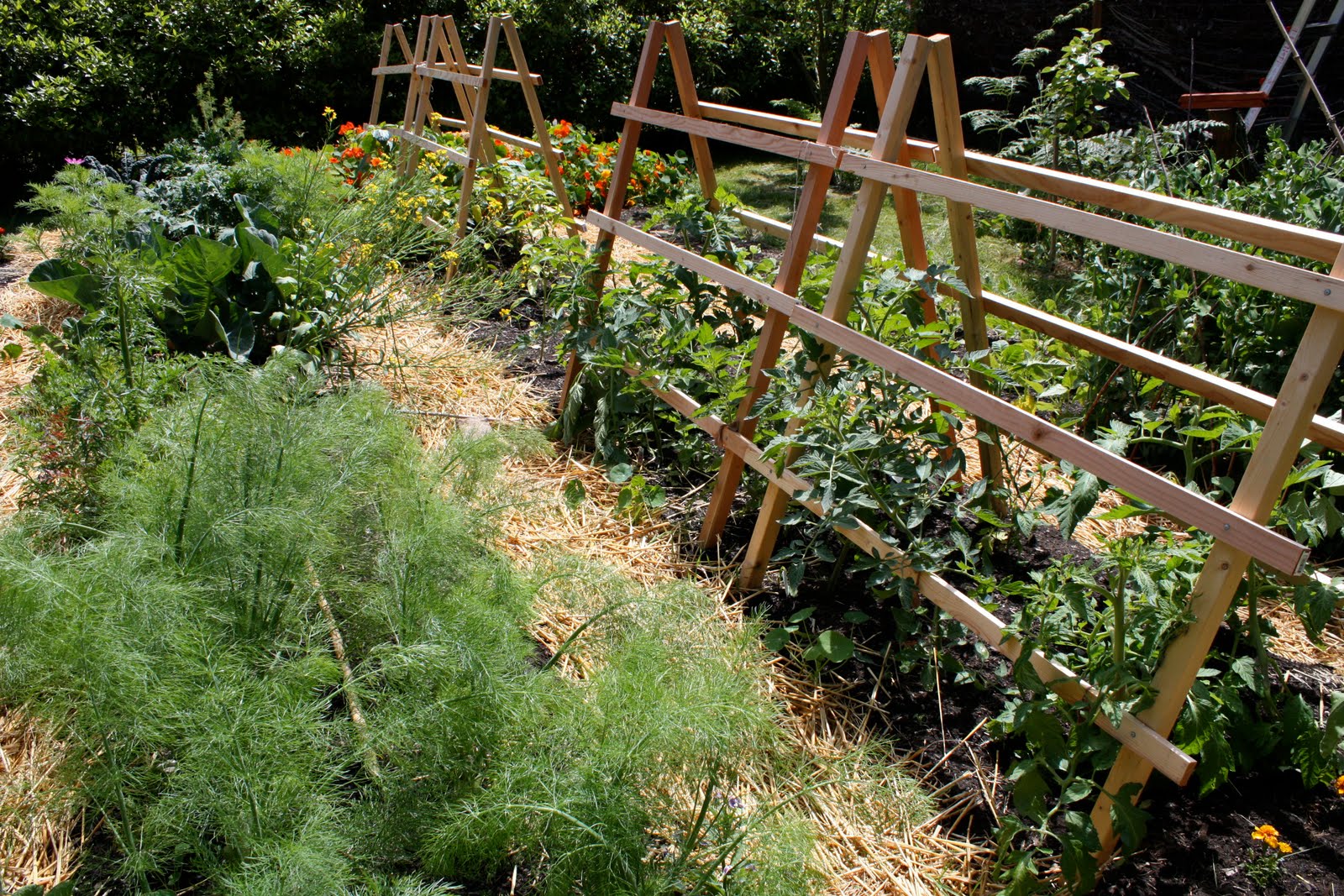
Tomatoes (right) coming along nicely despite the cool weather. Fennel (left) clam-happy.
Posted in rain | 1 Comment

Control Plots for Ollas

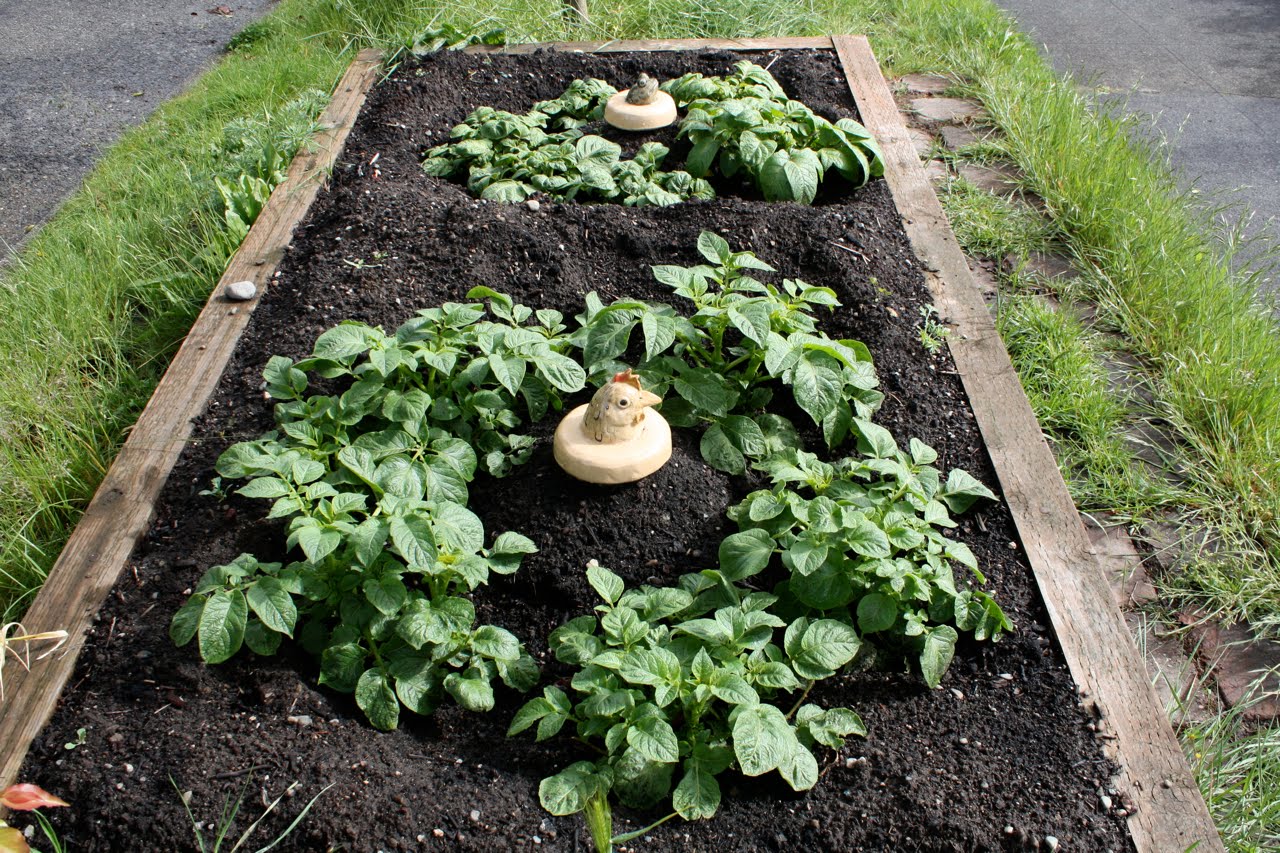
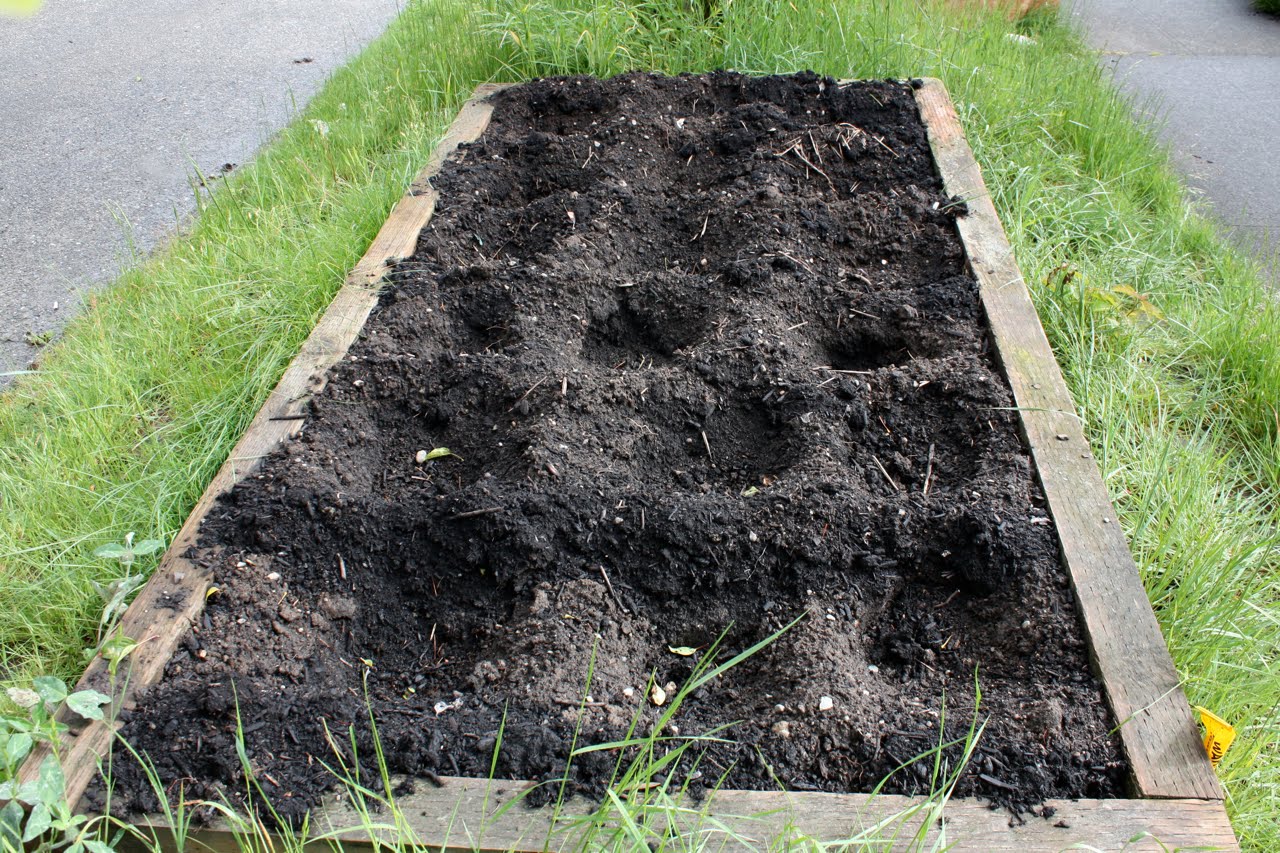
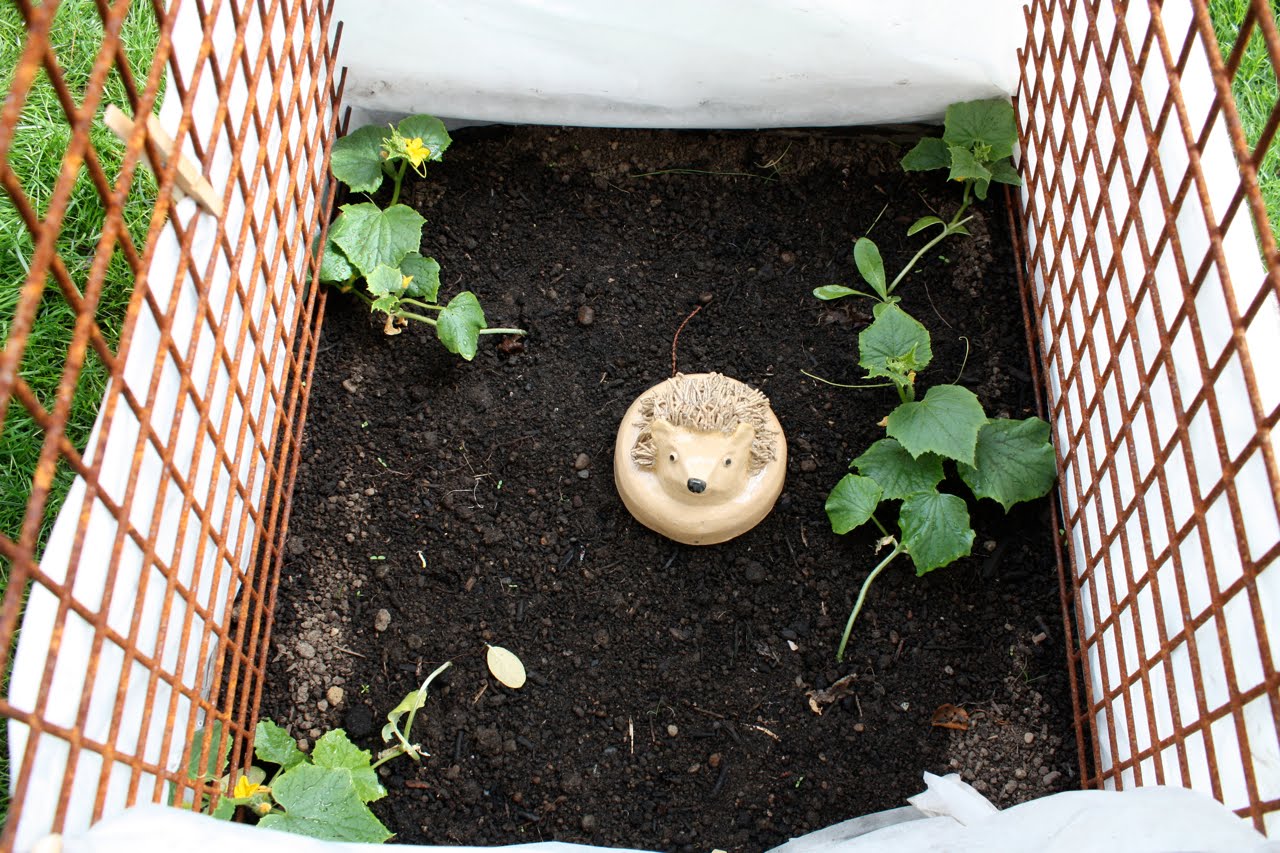
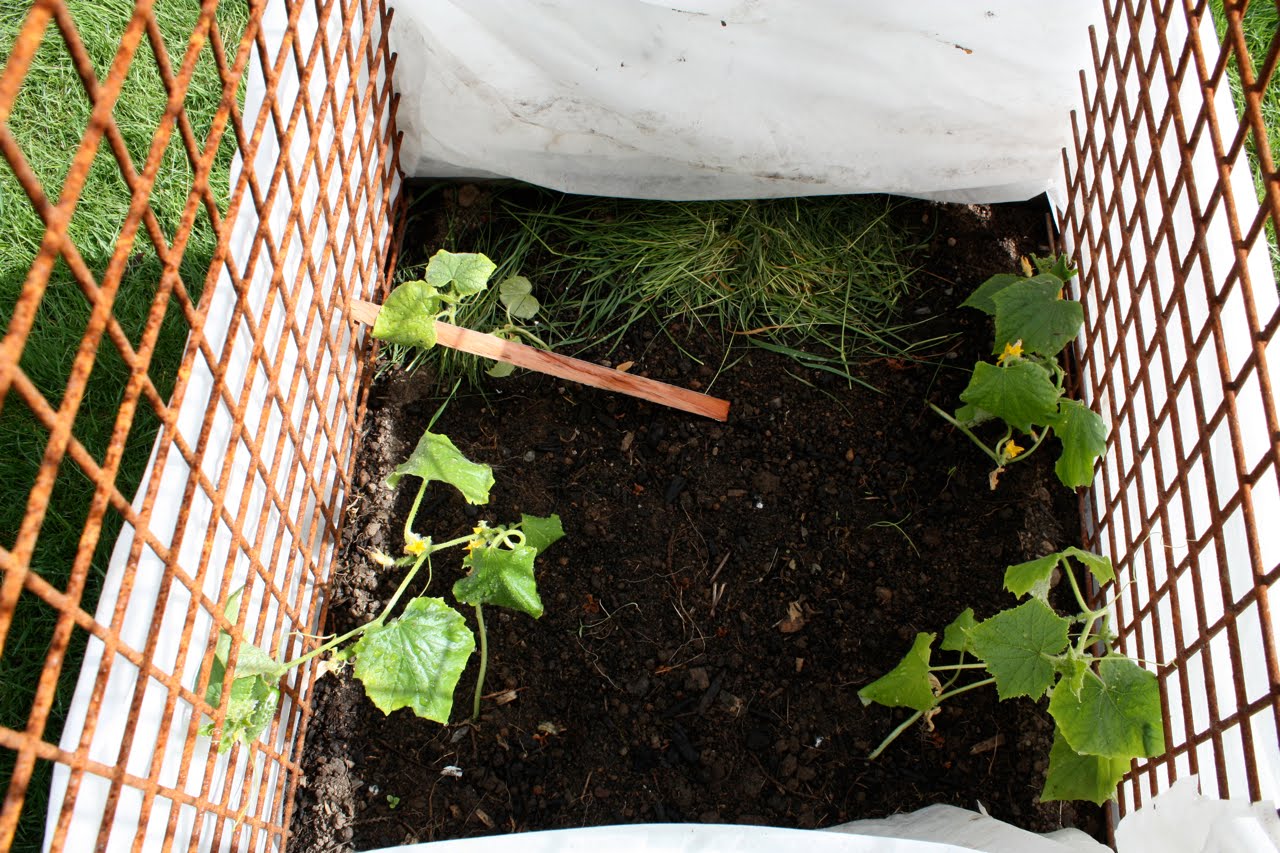
They won’t be perfect. I planted the control plot of potatoes one month later than the olla plot. And the control cucumbers were inside the house for an extra week, where they got a head start on flowering.

It won’t be rigorous. I’m not going to measure how much water I use for olla plots vs control plots.

What I will do is water the control plot and fill ollas as needed. And I will compare how the plants fare and their productivity. If the olla plots do even just as well as the control plots, they will be a huge success cause they will have been much less work (and less water) than the traditional plots.

Potato Olla Plot

Potato Control Plot

Cucumber Olla Plot

Cucumber Control Plot

UPDATE: Read the end-of-season retrospective on ollas by potato!

Posted in cucumber, olla irrigation, potatoes | 1 Comment

Ants Continued


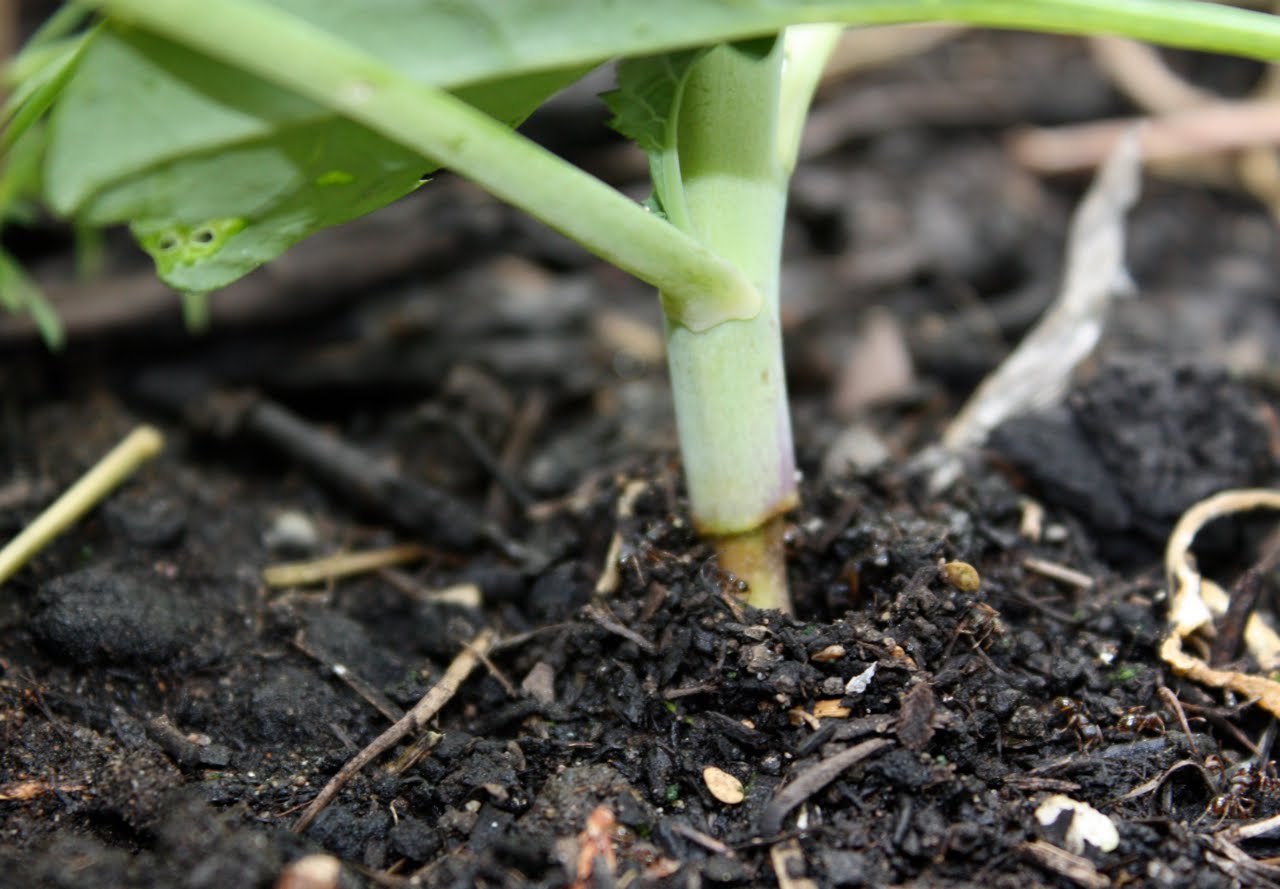
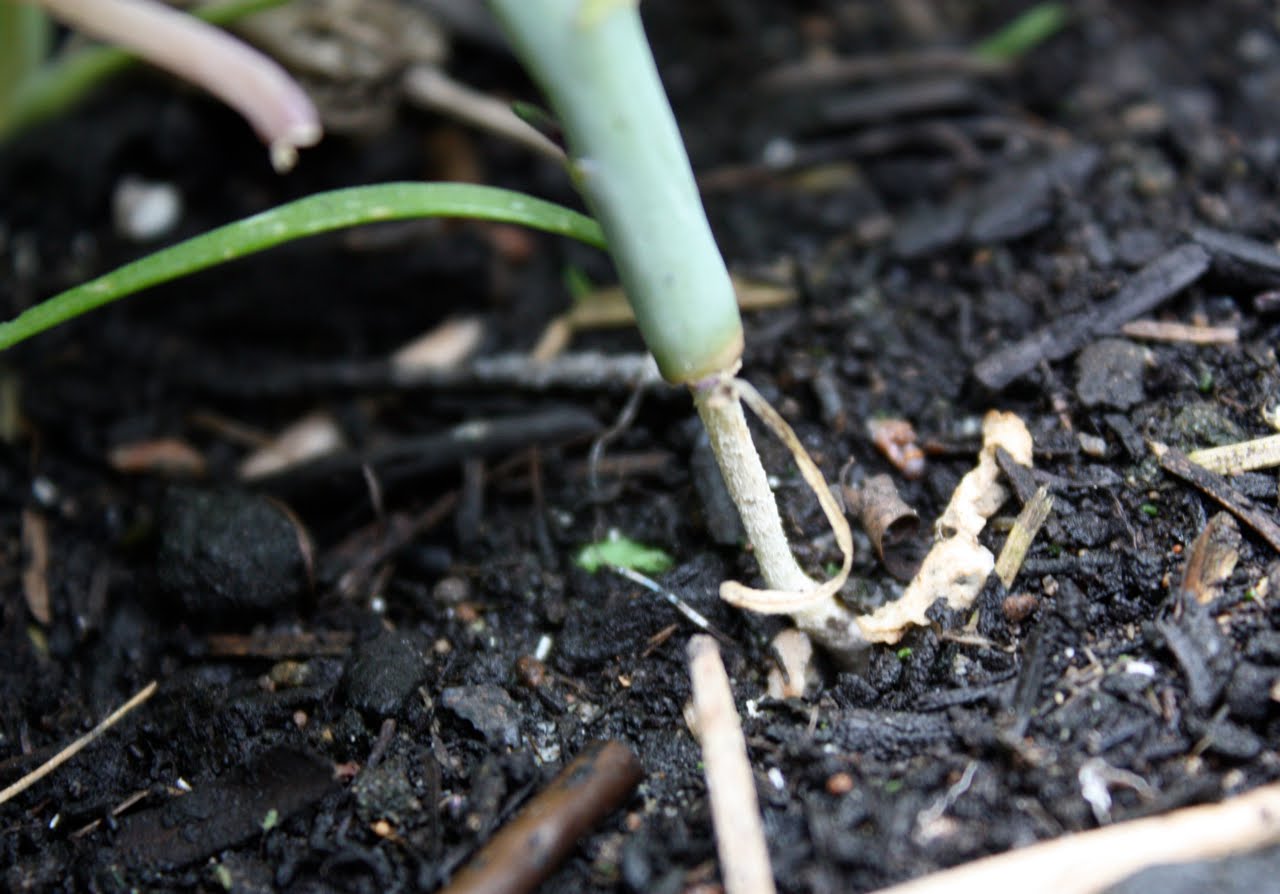
Mid-girdle above, full girdle below


It’s funny what people think they know about ants. I went to my local Farmer’s Market where there is a booth staffed by master gardeners. I wanted to see if they’d have suggestions. ‘Ants don’t eat plants’, I got. We looked it up in their pest bible and they learned that yes, ants sometimes will eat plants. The staffer said she’d just pull up the plants, kill the ants, and start over.

I’m stubborn. So I’m still fighting. I haven’t lost too many more kale plants to the ants, but they were still there after two treatments of diatomaceous earth. I never did try the petroleum jelly, cause they’re girdling the stem inside the ground, too. Instead, I headed out with my kettle of boiling water.

Yes, I was prepared to lose the plants – if only I could stop the roiling masses of ants attached to the stems. So I poured and poured, like I was watering each plant, but with death (muaah, ha ha). The air had a peculiar steamed-broccoli smell to it, but I was satisfied I’d made some damage. Next day I go out, the plants do not appear dead, and there are still ants. Really? Maybe it’s a big nest under there, and the ground was pretty cold. I try again.

But, three days later, they’re back. It’s on to the borax and jelly.

Posted in kale, pest control | 4 Comments

Ants on my Plants


Literally. It’s hard to see here, but each wee kale stem is crawling with ants, from about 1″ to down into the soil. The kale are wilting (though not very quickly), and the ants keep marching on – they’ve moved over to the next row of kale.

It’s possible the ants are farming aphids on the roots, for the sweet honeydew that comes out of their backsides (yes, ew, but neat!). But by the look of the progressively emaciating stems, I think they’re chewing them down.

I found a website on repelling and killing ant pests. I think the situation is beyond ‘repel’ and warranting ‘kill’. The white powder is diatomaceous earth I sprinkled to try to kill their asses. Does not appear to be working. The site also suggests protecting plant stems with petroleum (or other) jelly. I’ll try that next, but I won’t be able to control subterranean feasting.

I will not use synthetic pesticides, but are there any other suggestions?

Posted in kale, pest control | Leave a comment