The Black Aphid


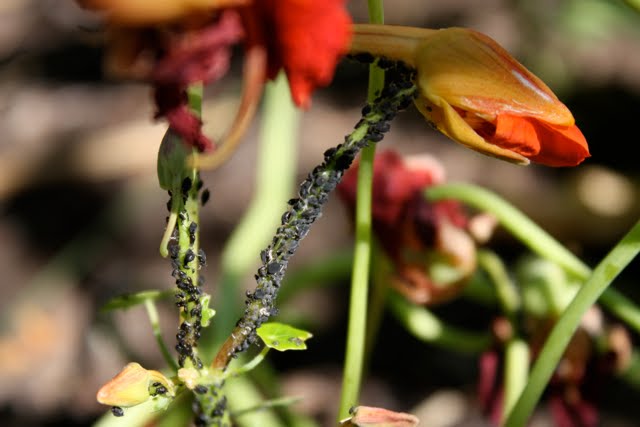
Black aphids love nasturtiums. Love them to death, in my case. I’d never seen a black aphid before I planted nasturtiums last year. They didn’t appear to move beyond my nasturtiums, so I simply observed.

I have been using nasturtiums in the garden as a natural pest control. They “repel squash bugs and whiteflies and draw beneficial insects”, according to one of my books. What I couldn’t decide last year was if nasturtiums drew pests away from my other plants or if they drew pests to the garden more generally, serving as a jumping off point.
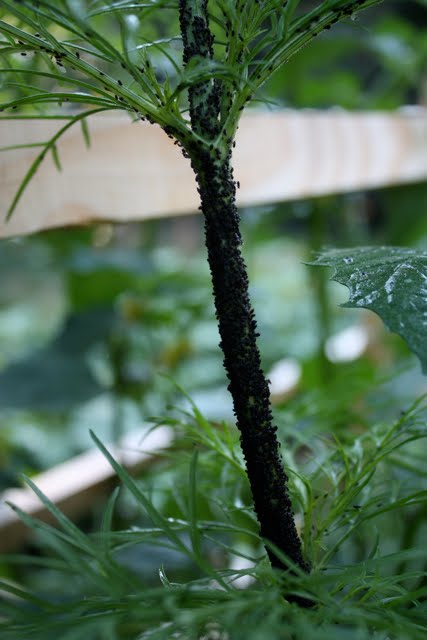

The black aphid also loves cosmos. A volunteer cosmo was twining stalks with a tomatillo plant. The young cosmo stalks were covered with black aphids, while only a few peppered the nearby tomatillo stalks. Interesting. But not interesting enough to leave alone, because I am now also finding patches of black aphids on my beans. Not cool.

Last night I filled a spray bottle with water and dish soap and went to town on the dense aphid patches. This morning, the aphids appear…unaffected. Was it supposed to be special soap?

UPDATE 8/13: The soap treatment worked, though I had to repeat it a few times – not because it wasn’t killing aphids, but because more aphids appeared. I also helped myself out by removing the most heavily infested (non-edible) vegetation – the dying nasturtiums next to the beans, the cosmo plant intertwining with the tomatillos. I also added a few drops of oil to my soap-water mixture.
Posted in beans, tomatillos | 3 Comments

Digging Potatoes


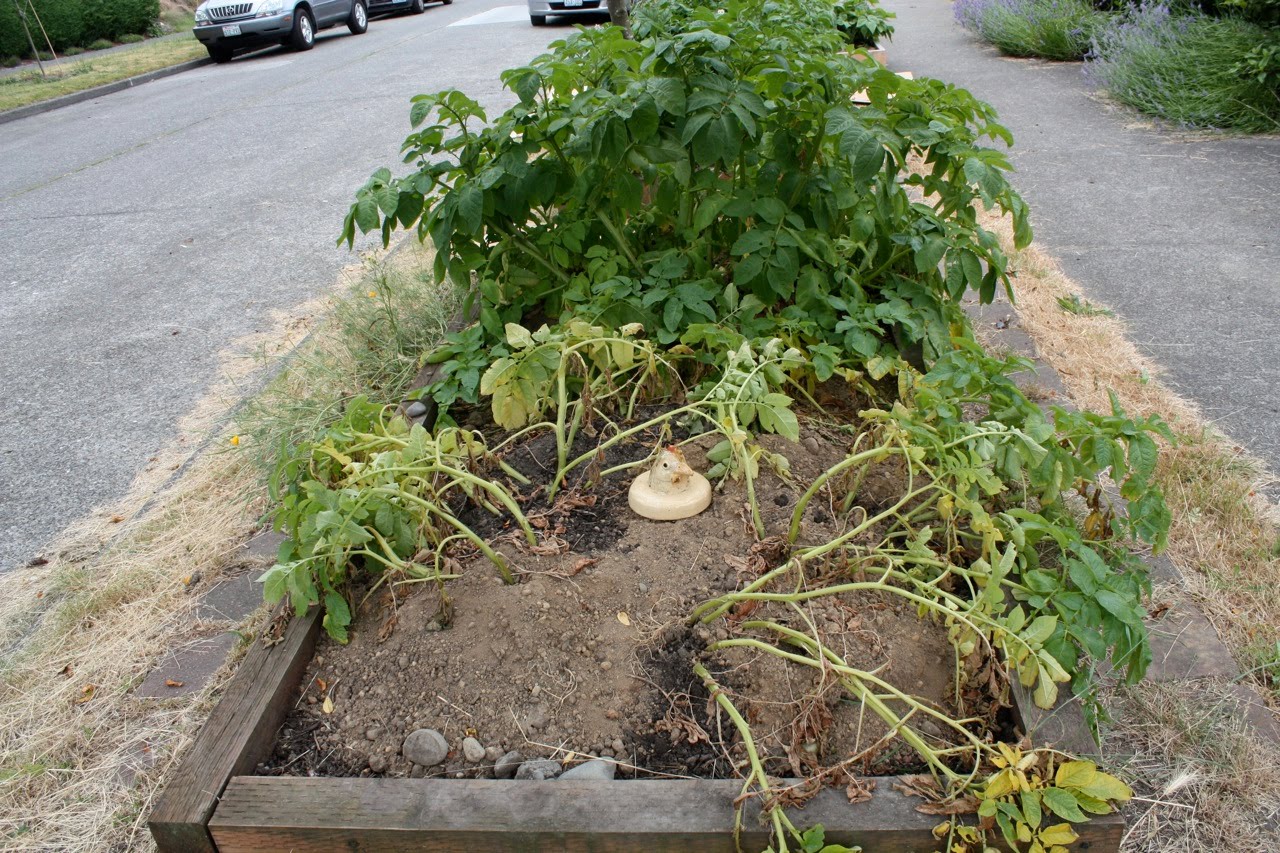
The first olla experiment has come to a close. The potatoes I planted April 16 grew to tremendous heights, then withered, and died. Time to dig.

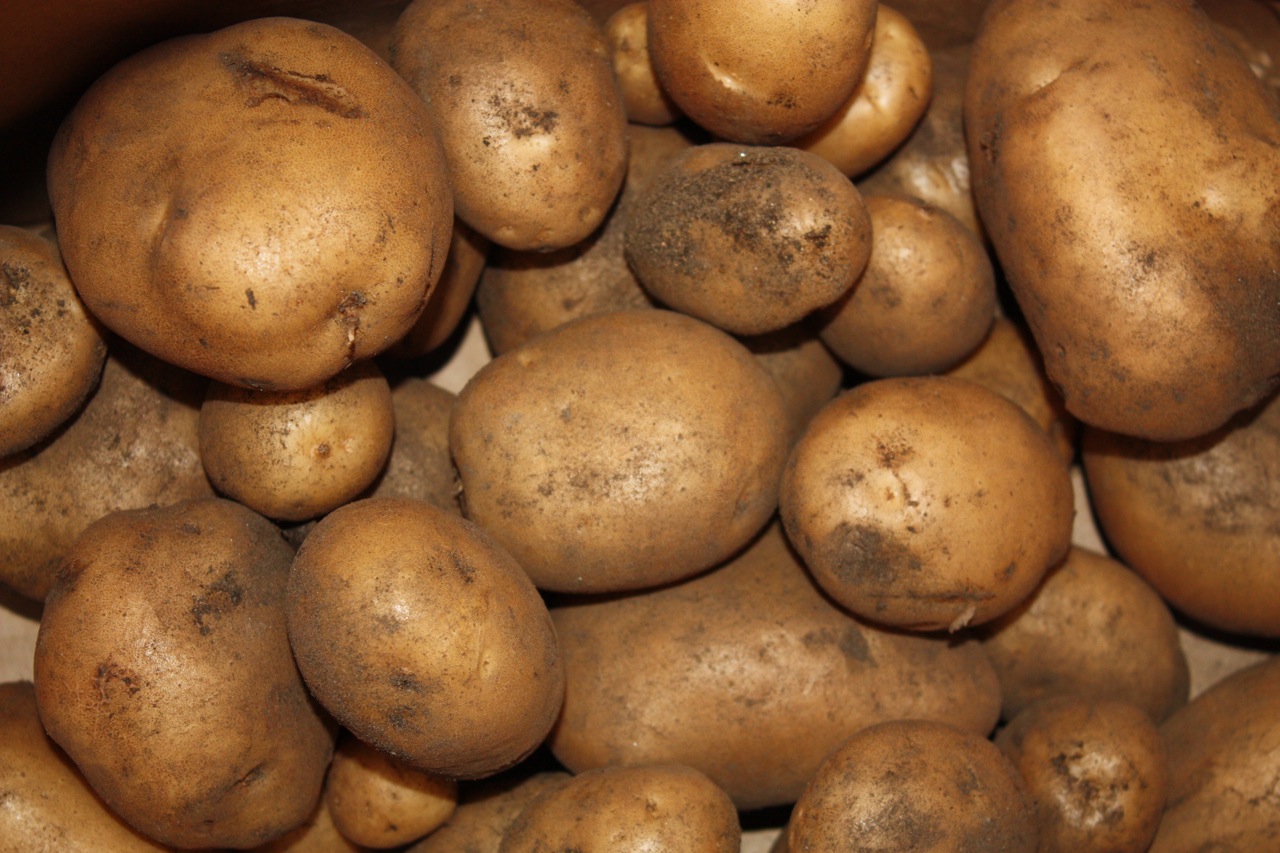
We discovered 7 pounds of smooth russet potatoes near the original depth of the seed potatoes. So, it was an early setting variety. In contrast, late setting varieties will continue to produce potatoes up the stalk; if you continue to bury the plants, you’ll get more potatoes. For my early setters, the extra mounding probably did more harm than good.

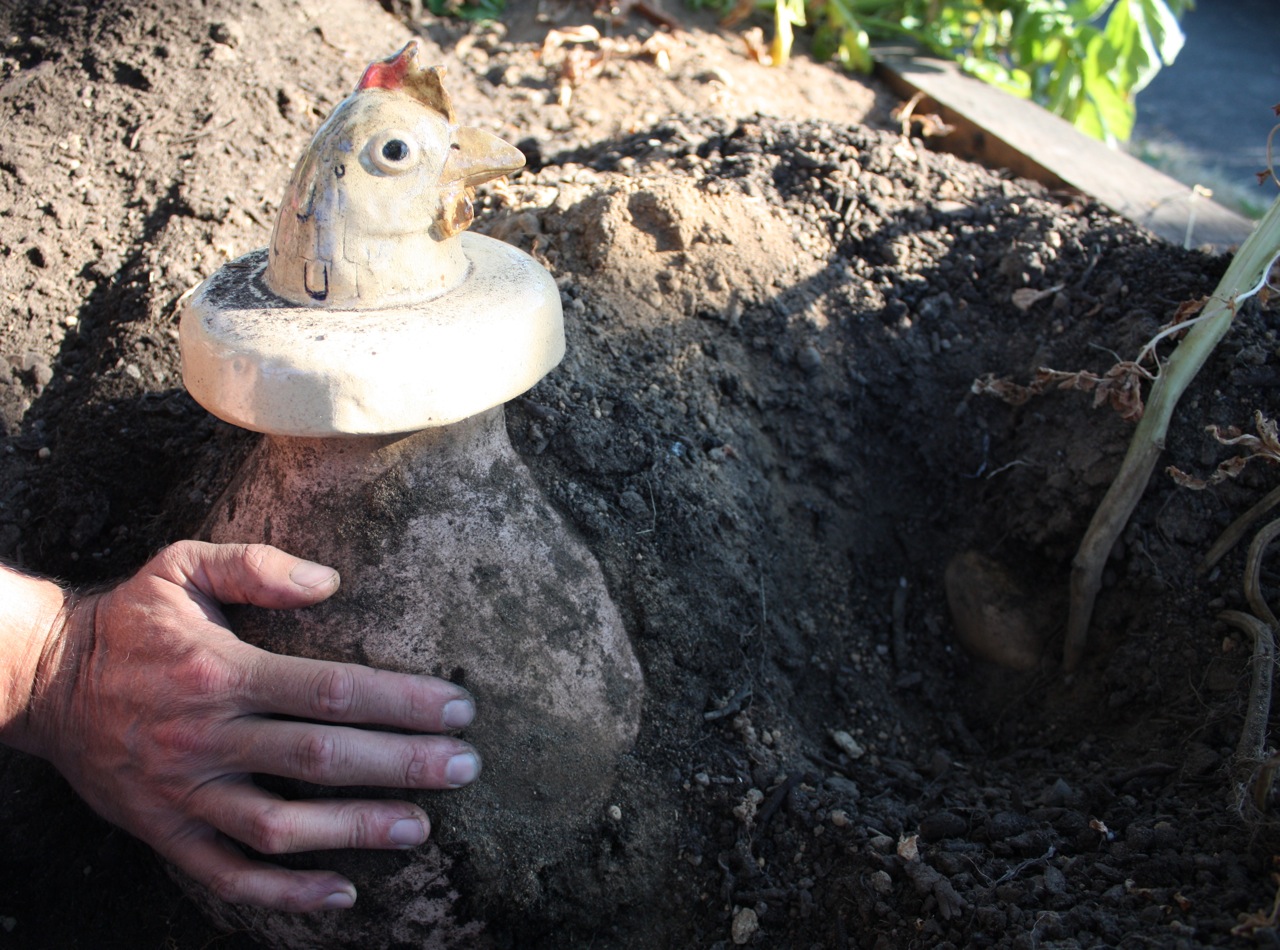
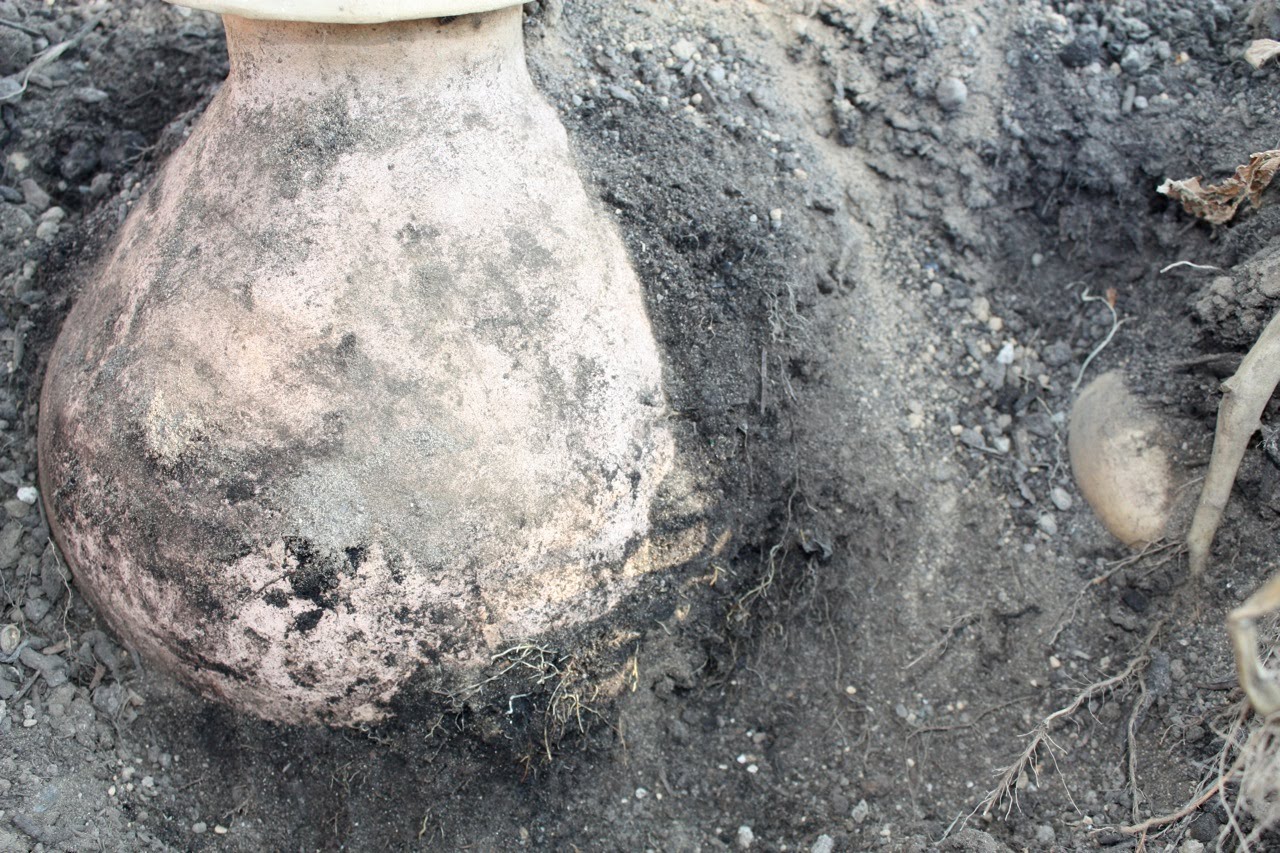
How did the olla perform? When we dug down into the soil, we found an inch of matted roots and damp soil surrounding the olla. Exactly what I wanted to see. On the other hand, the potatoes in the control plot haven’t been watered at all, and they appear to be surviving. The jury is still out. [UPDATE: But not any more!)

The second olla in the bed is surrounded by Red Sangre potatoes. The fronds have collapsed and are beginning to wither. In the control plot (planted May 18), fronds are just beginning to collapse (mind you they’ve never been watered). Does all this collapsing mean they’re finishing their life cycle? Or does it mean they’re dying of thirst? I don’t know. I’m new at this potato gardening, so time will tell. (Resolved here.)

Russet Summary
2009: Planted April 11, harvested Sept 4 after chickens ate the leaves, 7 pounds from 10 seeds
2010: Planted April 16, harvested July 27 after fronds completely died, 7 pounds from 6 seeds.

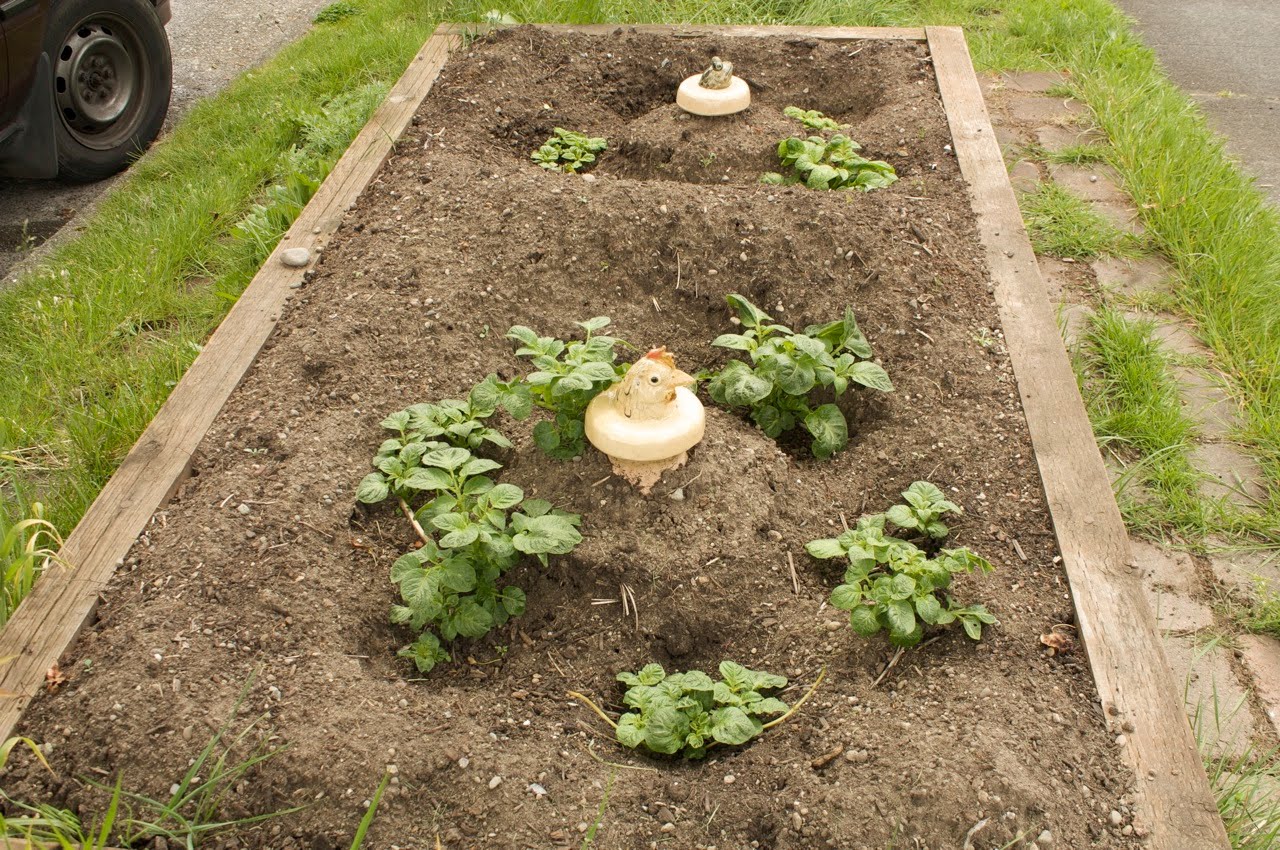
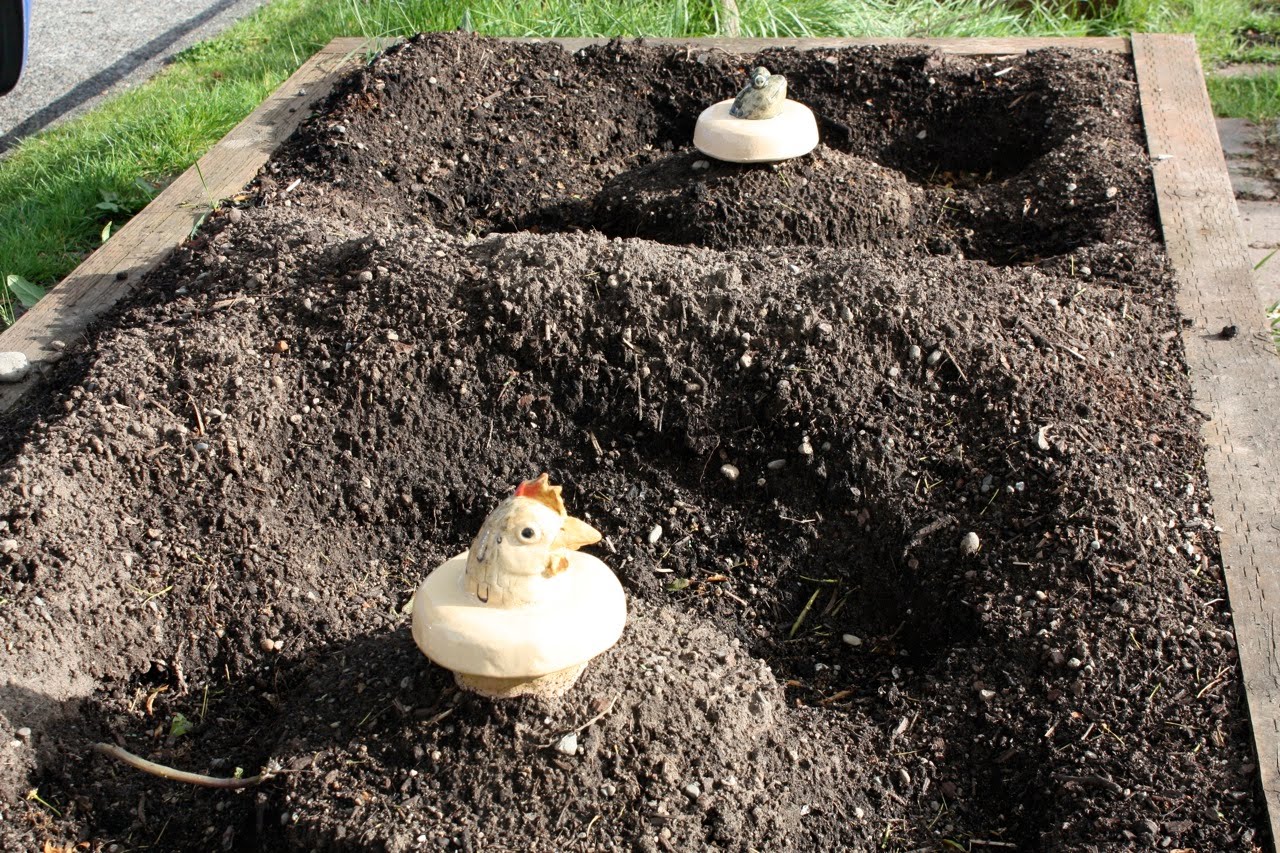
Potato bed when ollas and seed pototoes first planted (April 11)


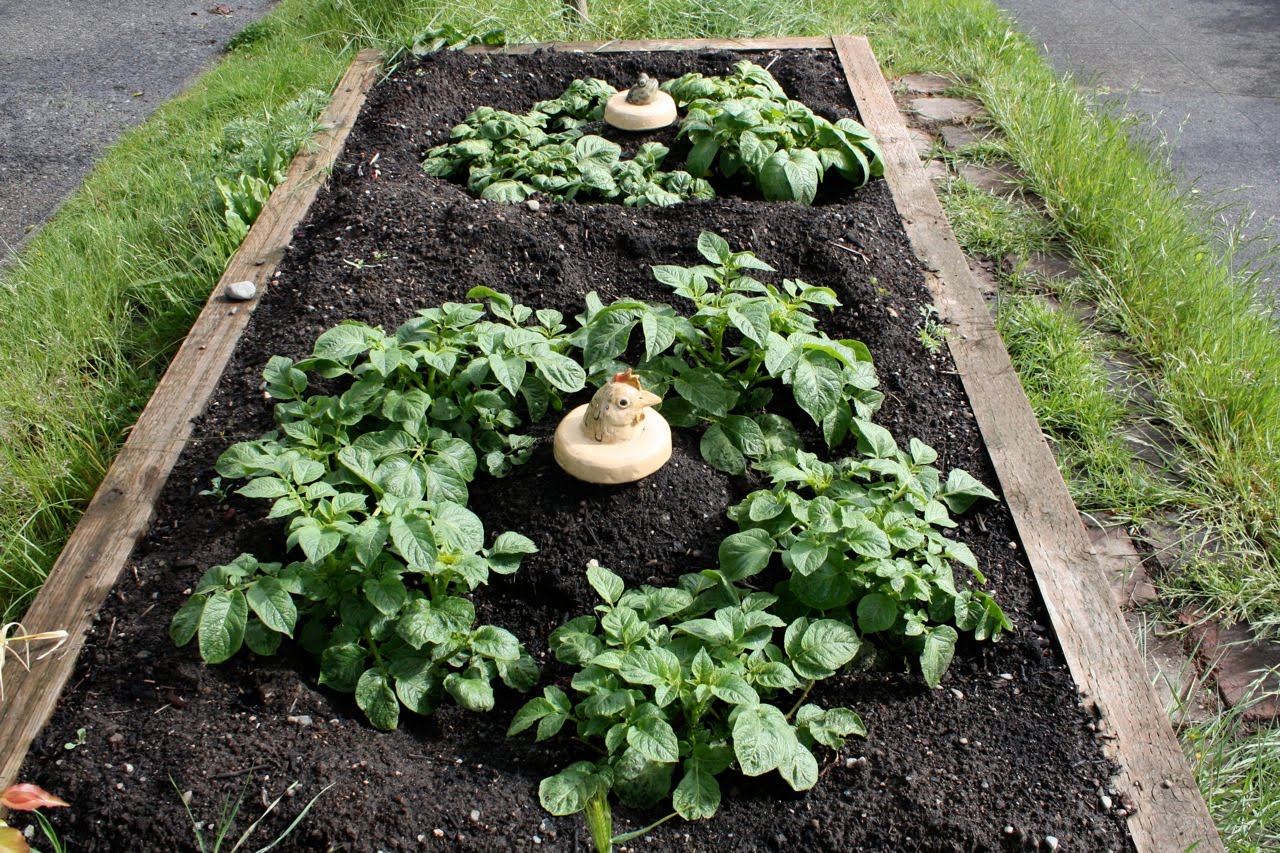
May 17


May 26


May 31


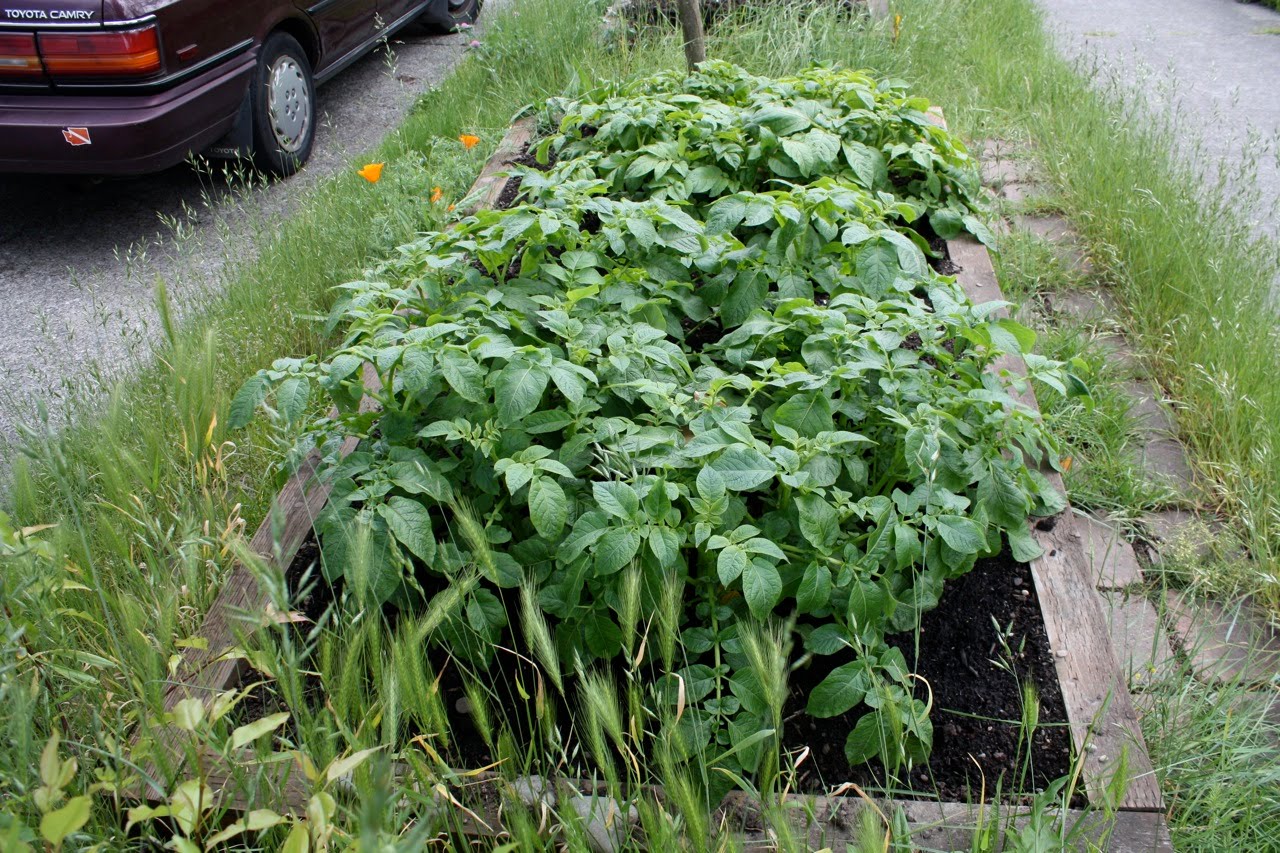
July 12


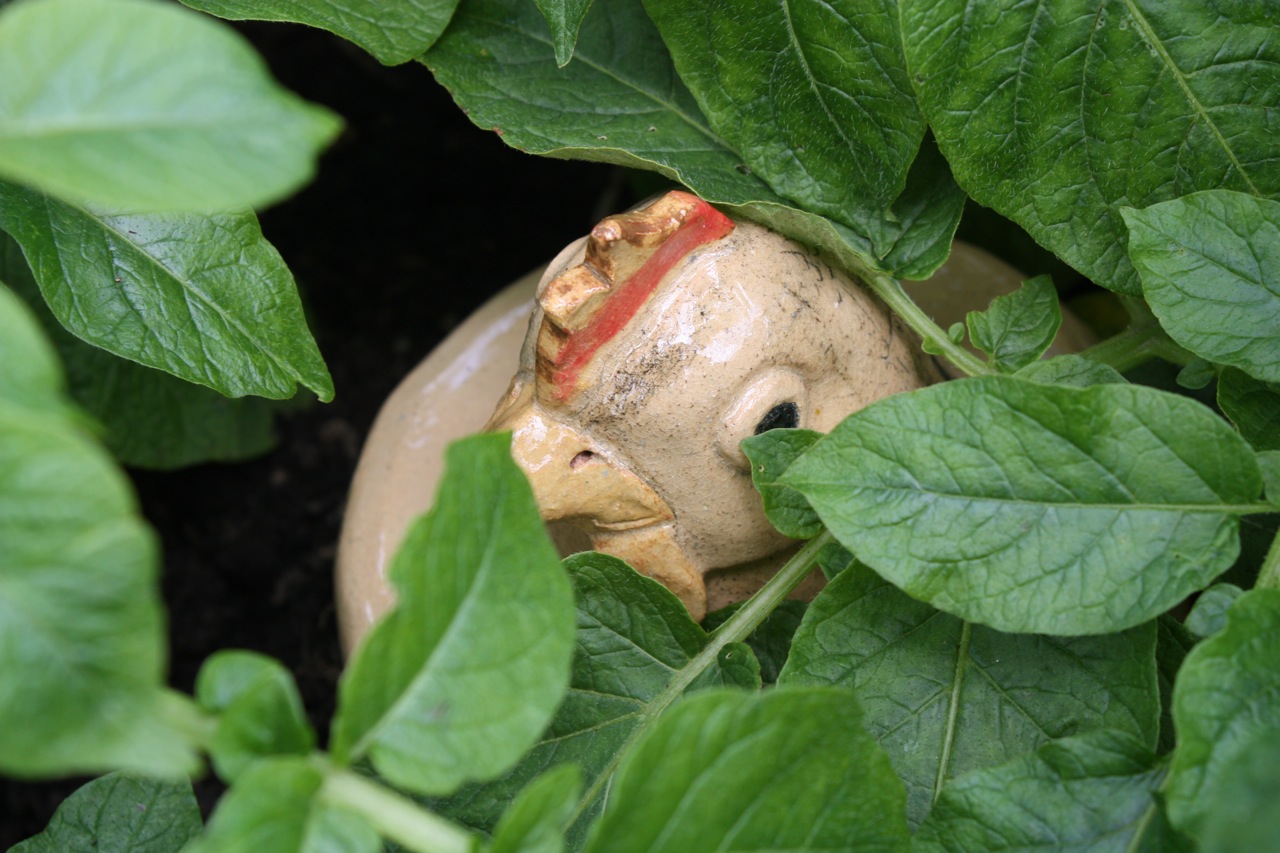
On the right side of the olla you can see the matted roots and soil sheath. To their right is a buried potato next to the remains of its plant stalk.


(Continued here)

Posted in olla irrigation | 3 Comments

Meet Cheddar


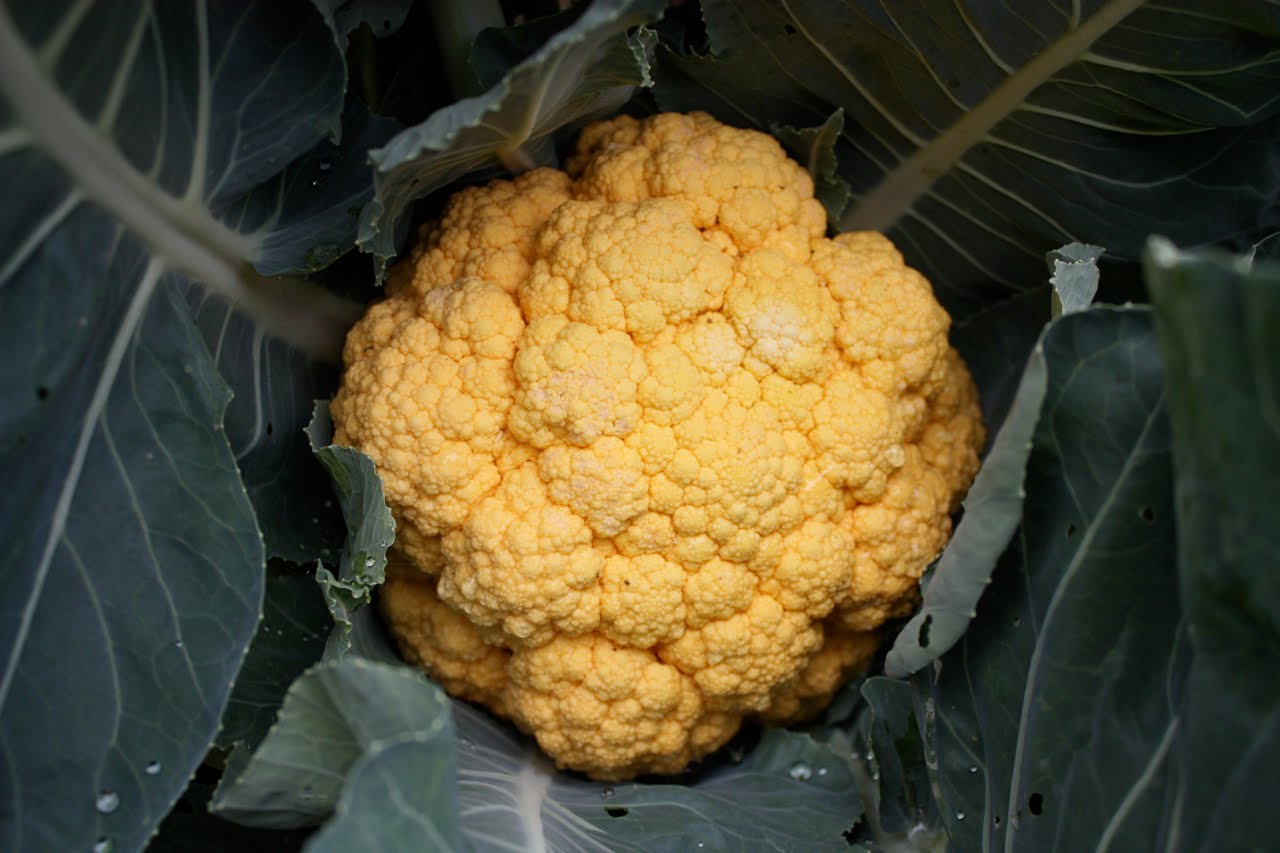
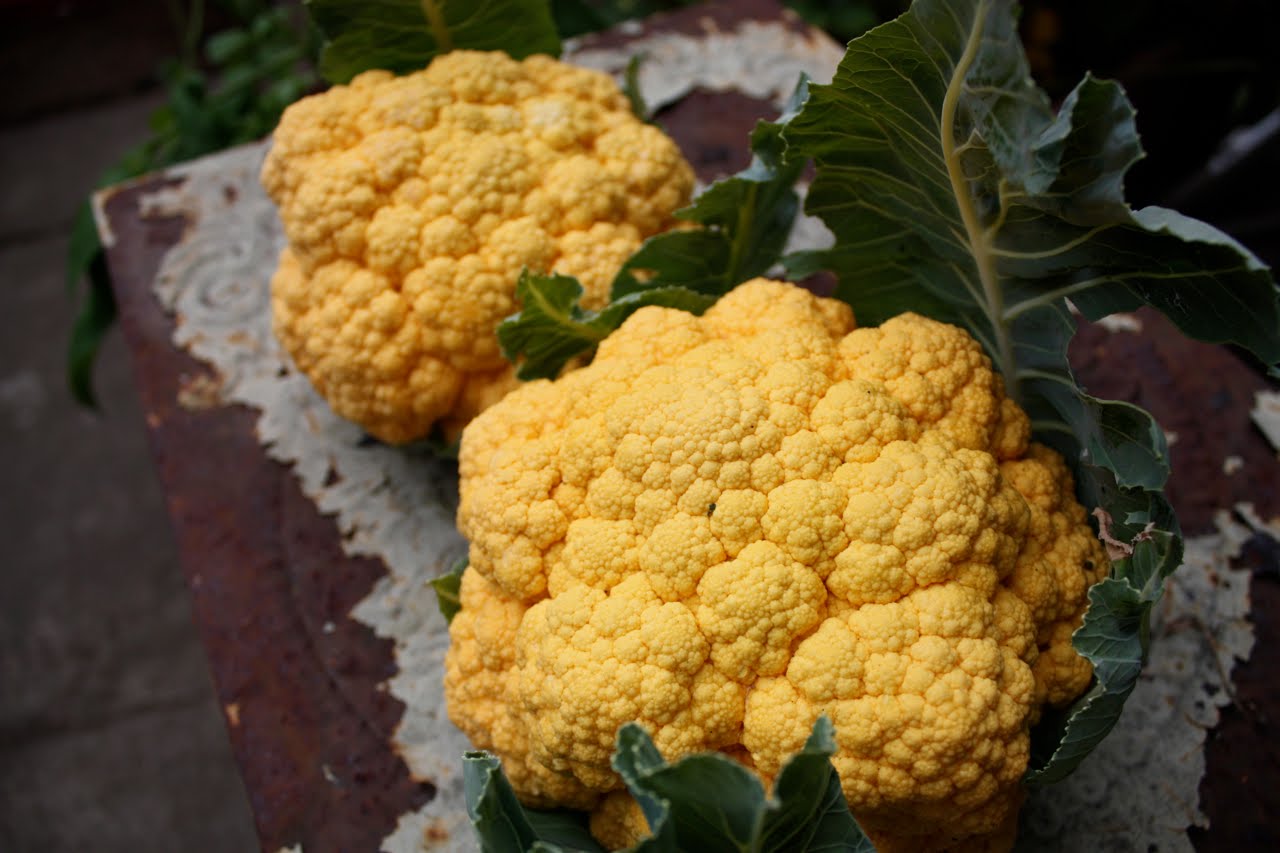
Cheddar is a cauliflower variety I purchased as seed this year from Territorial Seed. It was developed in Ontario, my patria, and is named, pretty obviously, for its colour. The orange is from beta-carotene, which is evident even in the plant stalk. Pretty cool.


My favourite thing about it was the beautiful fractal patterns, not well captured here. Guess I’ll have to grow it again next year. I have never grown cauliflower before. It wasn’t hard. Or maybe I was lucky. Time will tell!

Posted in vegetables | Leave a comment

Chicken Lock-Down

Chickens are fun to watch. Since we got ours in September 2008, we let them free range in the yard, amusing us when we chose to watch ‘chicken TV’. But we got tired of the chicken poop land mines that lined the walkway to our front door. And the flies (and later wasps!) were a real downer at cookouts.

So I decided to put the chickens in jail. At first we gave them the side yard; 400 sqft along side the house. For birds that only ‘need’ 18 sqft, you think they’d be happy. But ours were spoiled. That first week they did a lot of clucking and pacing and tried to squeeze and fly out. I confounded them at every turn (my brain is bigger).

Side yard before the lockdown


Side yard after lockdown


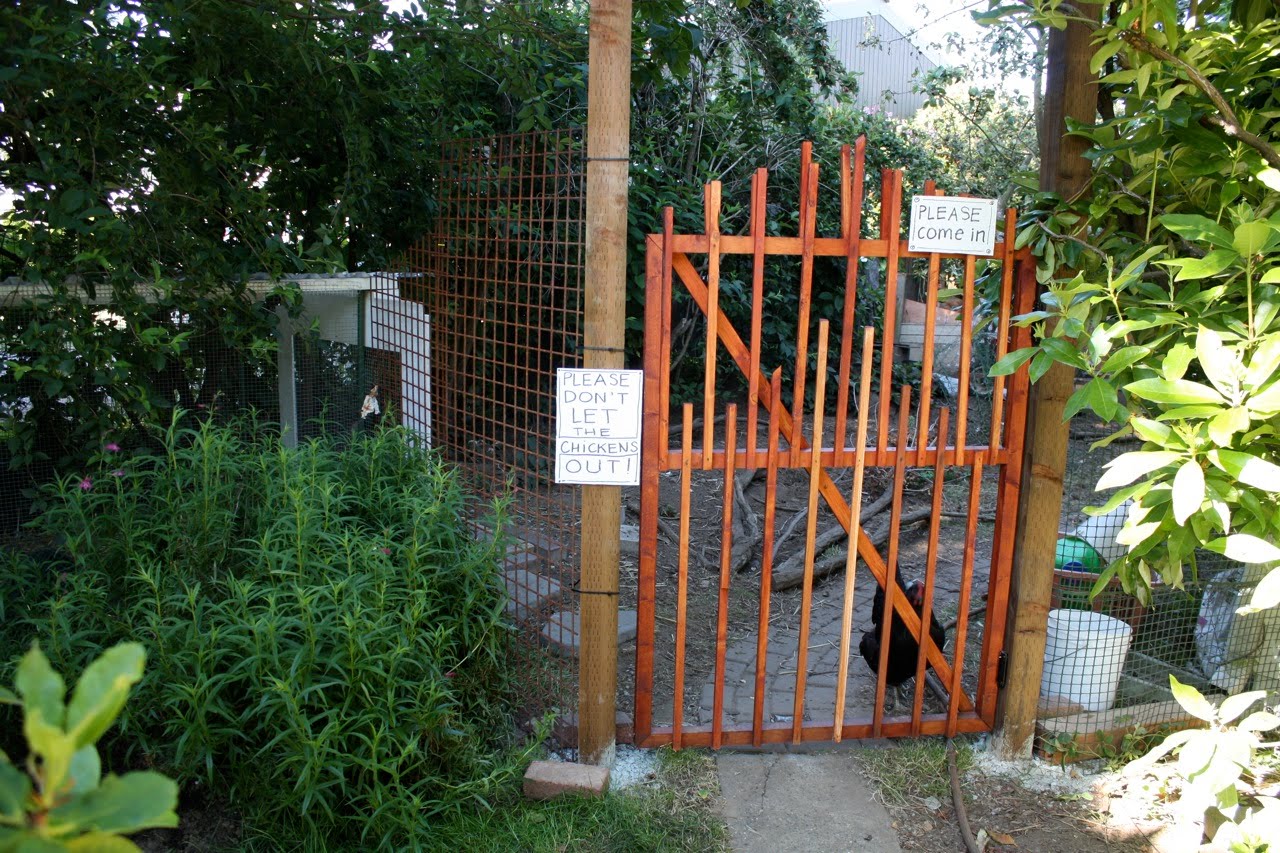
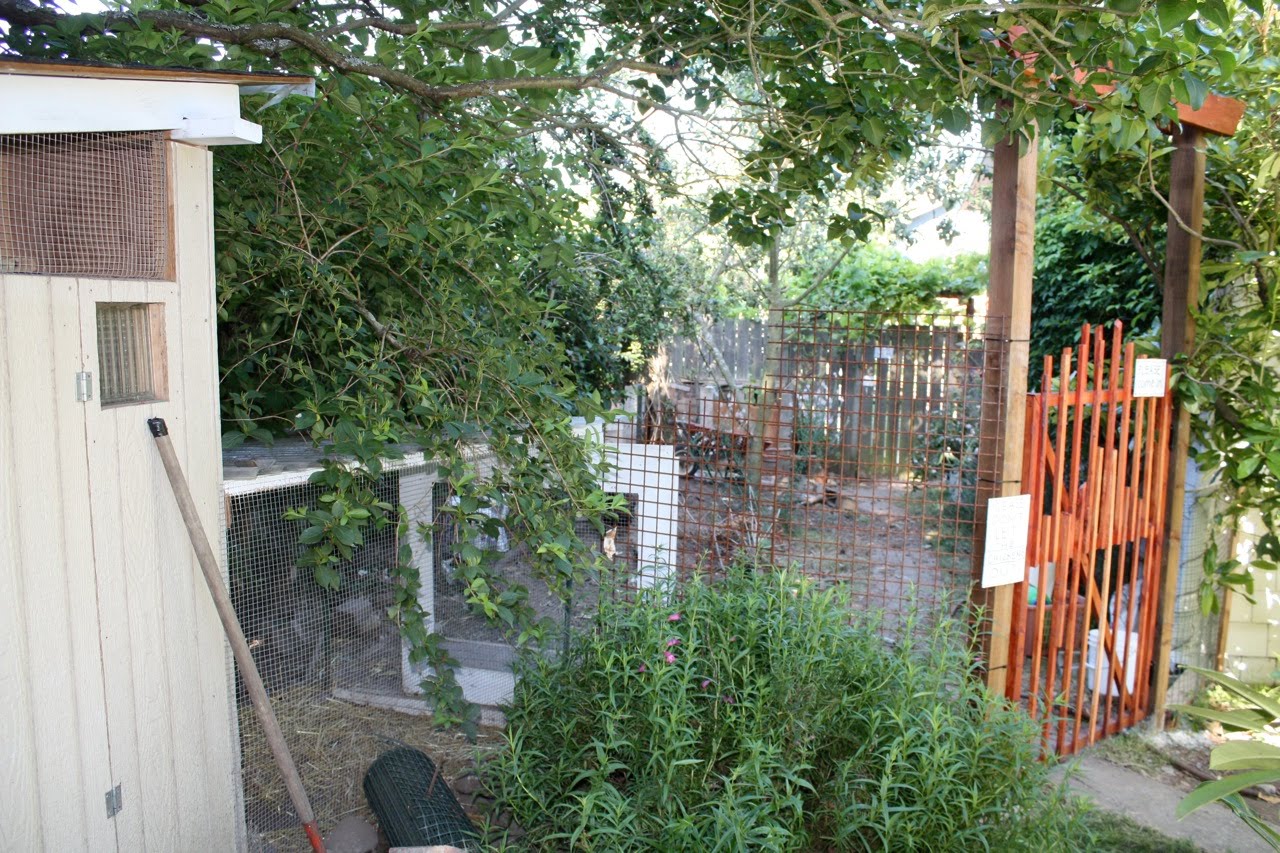
From left: Coop to run to yard. Yard has swinging gate with double acting hinges.


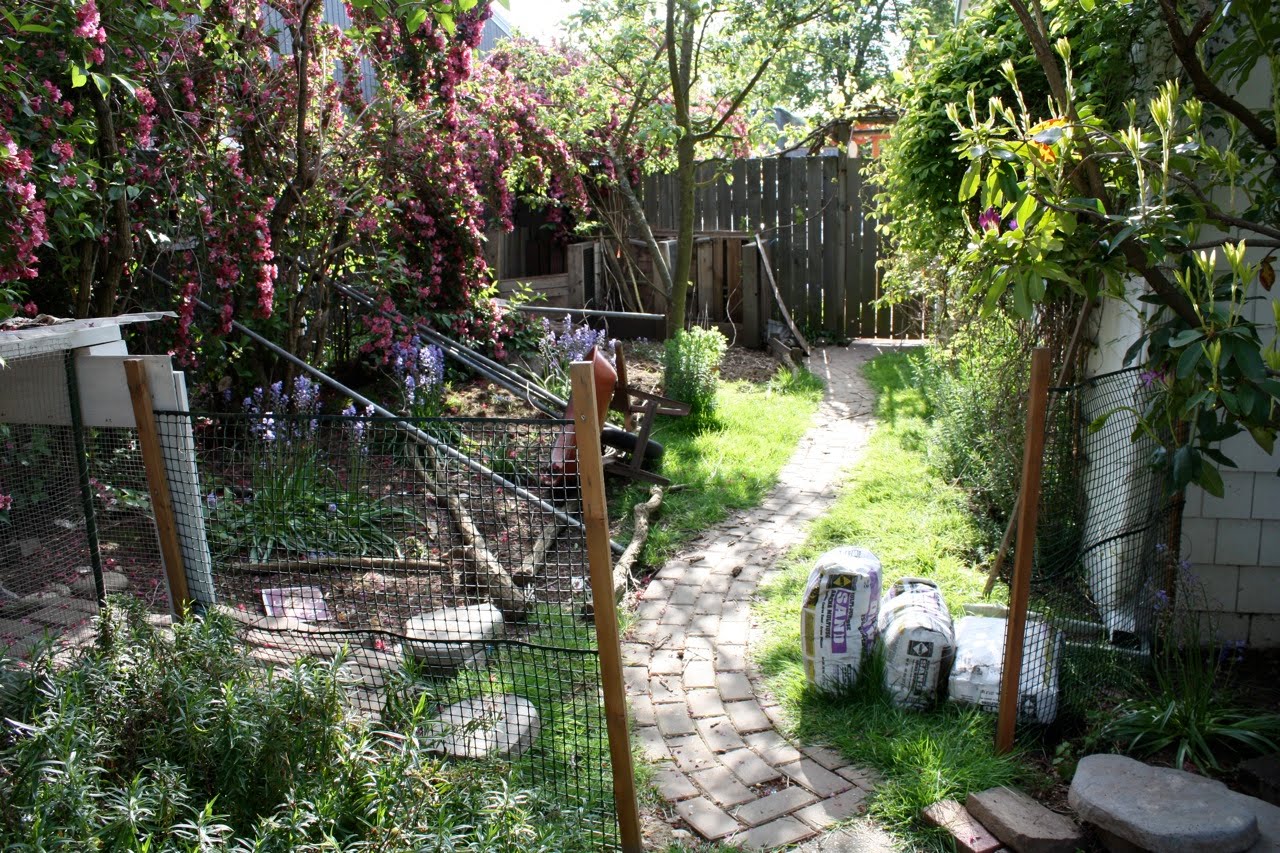
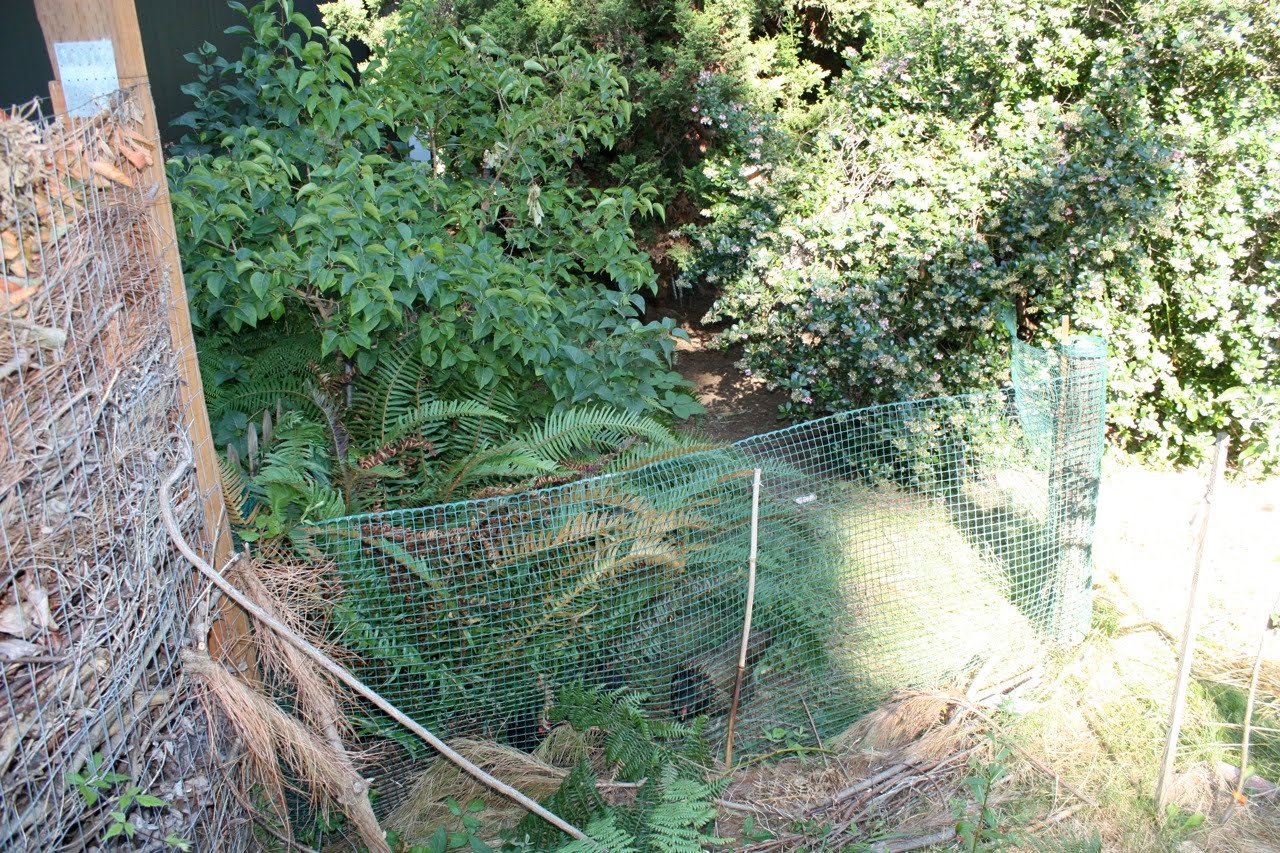
A month later, I expanded their run behind the coop and along the fence line up to the front garden. Lots of sun spots, shade spots, dust spots, random greenery.

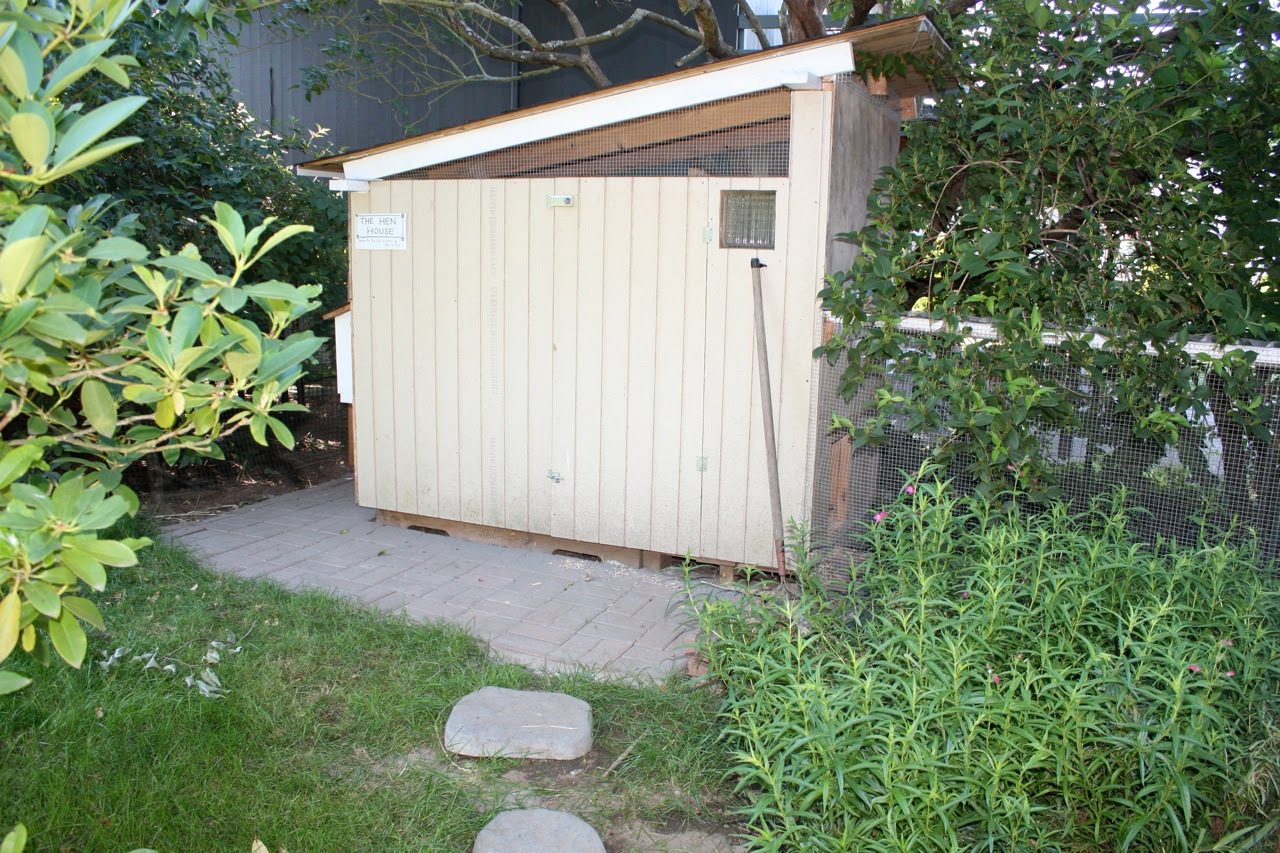
Coop with brick and stone pathways


Fenced in chicken yard up at the main garden


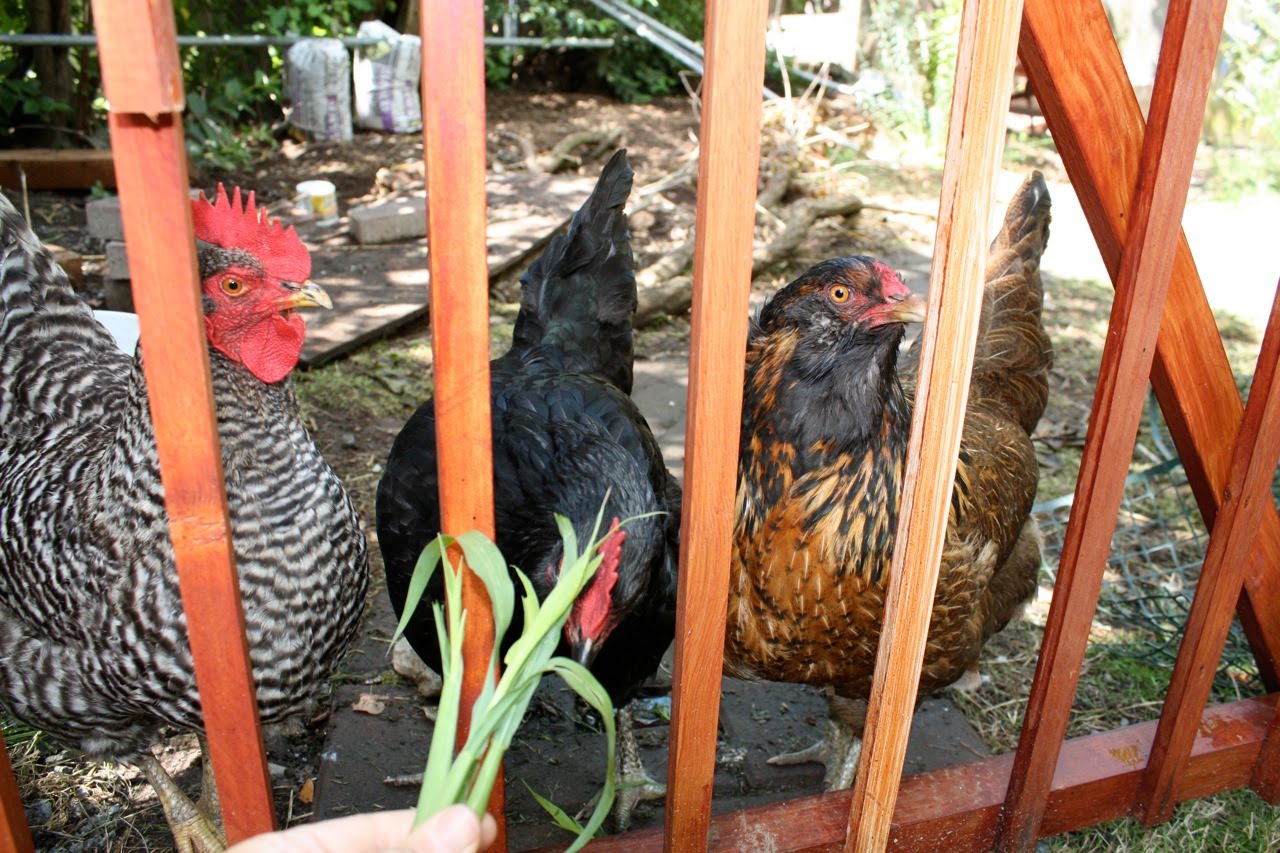
That makes about 800 sqft – as big as our house! They’re pretty happy. And they can follow us around again, albeit at a bit of a distance. They have access to the compost pile and we still bring them treats. It’s not a bad life.

And I have my yard back! No more stepping on chicken poop when you least expect it! No more flower beds getting torn open! I love that I can now walk into the garden to pick food without dealing with fences and gates. Next spring I hope to have tulips again.

Posted in chicken coop / run, chickens | 1 Comment